

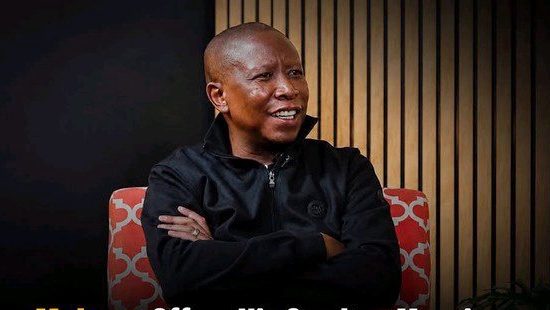
Economic Freedom Fighters (EFF) leader Julius Malema is once again under intense public scrutiny as a series of allegations and recent developments continue to cast a shadow over his political career.
Legal journalist Karyn Maughan has argued that the accumulation of claims surrounding Malema, combined with fresh allegations emerging from recent investigations and commissions of inquiry, could place the outspoken politician under increasing pressure in the months ahead. According to Maughan, the EFF leader has spent much of his political career presenting himself as a champion of accountability and anti-corruption while simultaneously facing a range of allegations that have repeatedly generated public debate.
The concerns raised include long-standing questions linked to corruption allegations, tax-related matters, and claims that have resurfaced through evidence presented before the Madlanga Commission of Inquiry. While many of these allegations have been the subject of public discussion for years, renewed attention has intensified scrutiny of Malema’s conduct and political future.
Malema has consistently denied wrongdoing and has maintained that various allegations against him are politically motivated. He has not been criminally convicted on several of the corruption-related claims that have been raised over the years. Nevertheless, critics argue that the recurring controversies continue to raise questions about accountability and transparency.
Adding to the pressure is Malema’s recent legal battle involving a firearms case. Earlier this year, he was sentenced to five years’ imprisonment for illegally discharging a firearm during a political rally, although he remains free pending an appeal. Legal experts have noted that the outcome of the appeal could have significant implications for his political future and his role in Parliament.
The latest developments come at a critical time for the EFF as political parties prepare for upcoming electoral contests. Analysts believe that sustained scrutiny of the party’s leader could influence public perceptions and potentially affect the organisation’s electoral prospects.
Despite mounting criticism, Malema remains one of South Africa’s most influential and polarising political figures. His supporters view him as a fearless advocate for economic transformation and social justice, while detractors argue that the growing list of allegations threatens to undermine the credibility of his political message.
As investigations and legal processes continue, attention is expected to remain firmly focused on Malema and the impact these controversies may have on both his leadership and the future direction of the EFF.


