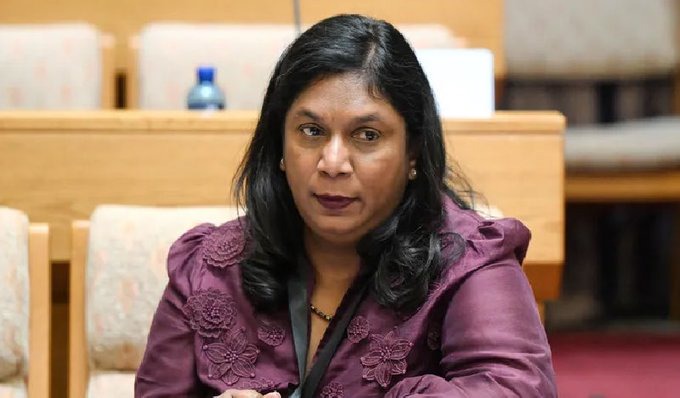
There are growing concerns about the leadership of Adv. Andrea Johnson at the Independent Directorate for Anti-Corruption (IDAC), and many believe it is not in the best interest of the country’s security to keep her in that role. Recent actions and decisions under her leadership have raised serious questions about whether she is effectively upholding the rule of law. Critics argue that instead of strengthening institutions, the directorate appears to be either neglecting its responsibilities or showing signs of incompetence, both of which pose a danger to South Africa’s fragile democracy.
IDAC’s main purpose is to investigate and prosecute corruption, especially at high levels of government and business, without bias or favoritism. However, the public has observed a troubling pattern of investigations being stalled, prosecutions delayed, and some inquiries seemingly targeting only minor cases while ignoring the more powerful and influential actors involved. This selective approach damages trust in state institutions and signals to organized crime and corrupt networks that they can operate with impunity. For a country battling widespread corruption, state capture, and economic inequality, leadership that fails to confront these issues is seen as a serious failure.
A strong anti-corruption agency is vital to national security because it protects the integrity of institutions that deliver essential services, attract investment, and safeguard citizens. When agencies like IDAC falter, the entire state’s ability to function effectively is compromised. Corruption diverts vital resources from healthcare, education, and infrastructure projects, deepening inequality and risking social unrest. It’s essential that IDAC remains a formidable force against these threats. If its head is perceived as surrendering ground to criminal or corrupt interests—whether through inaction, poor judgment, or partisan bias—then the government and oversight bodies must act quickly.
Removing Adv. Johnson and appointing a successor with a proven record of integrity and strong prosecutorial skills could serve as a necessary reset. Such a move would restore public confidence and send a clear message that South Africa will not tolerate leaders who weaken institutions or allow corruption to flourish. For the country’s long-term stability and the pursuit of justice, decisive leadership at IDAC is crucial. Anything less risks further damage to the nation’s security and its democratic foundations.