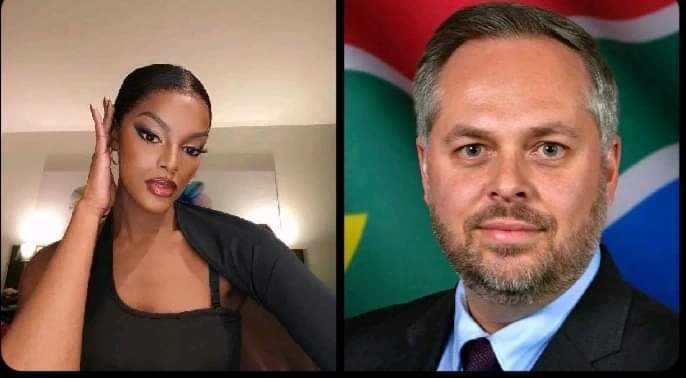
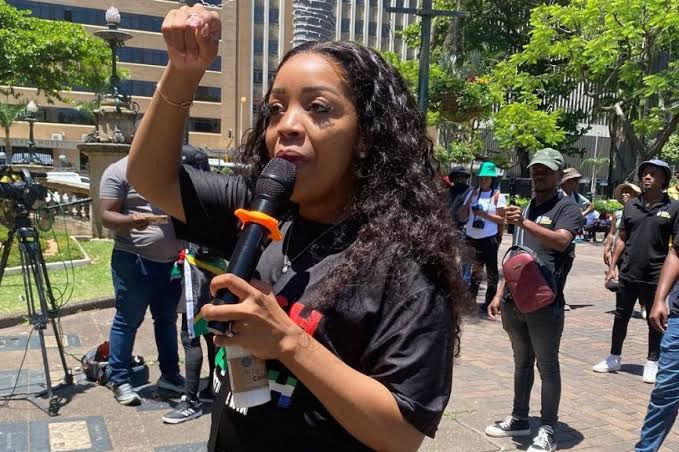
Jacinta Ngobese has triggered widespread debate following her response to a controversial post discussing treatment of Nigerians and other African migrants across the continent. The discussion began after a statement argued that South Africans should apologise for how Nigerians and other Africans have been treated in South Africa, particularly in relation to xenophobia and migration tensions.
In response, Ngobese strongly rejected the demand for apologies, using highly emotional language to express her disagreement, saying no apology would be forthcoming and linking her reaction to broader frustrations around violence and crime allegations involving foreign nationals.
Her comment quickly gained traction online, intensifying already sensitive discussions around migration, xenophobia, and inter-African relations.
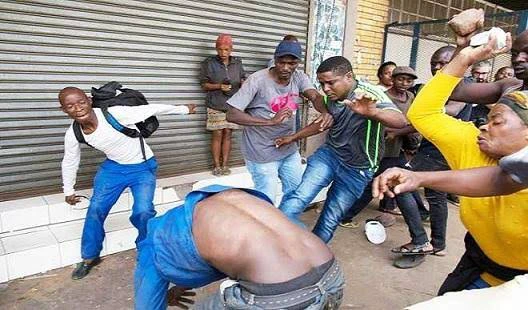
The debate reflects long-standing tensions in South Africa regarding illegal immigration, economic pressure, service delivery challenges, and competition for informal trading spaces such as spaza shops.
On the other hand, human rights advocates and migration experts often emphasise the importance of protecting foreign nationals from discrimination and ensuring humane treatment regardless of legal status.
The original argument that sparked the exchange focused on whether African governments and societies show equal concern for citizens facing hardship abroad, and whether responses to migration issues are applied consistently across countries.
However, Ngobese’s reaction shifted the conversation toward deeper emotional and political divides, with supporters and critics taking sharply different positions on her remarks.
Some view her response as a reflection of frustration among communities dealing with crime and economic pressure, while others see it as further evidence of growing hostility in migration-related debates.
The incident highlights how quickly discussions around xenophobia and migration can escalate into broader political and social conflict in South Africa and beyond.
As the debate continues, it underscores the need for careful dialogue around migration, justice, and human dignity in addressing complex cross-border issues affecting African nations. The exchange has once again placed the spotlight on how social media commentary can amplify tensions and shape public perception of sensitive continental issues.