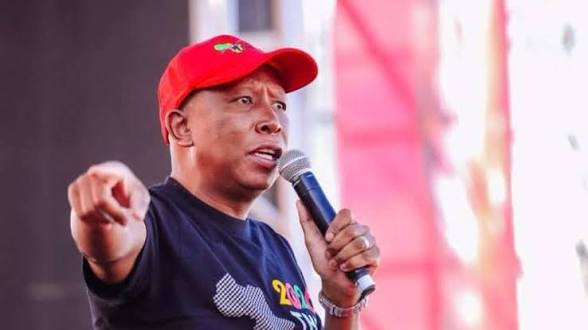
The political landscape in South Africa has captured significant attention following a bold action by the Madlanga Commission, which has officially summoned seventeen notable figures, including Julius Malema, the leader of the Economic Freedom Fighters (EFF). This development marks a major intensification in one of the nation’s most scrutinized inquiries concerning allegations of corruption, unlawful financial behavior, and the misuse of state resources.
The commission has gained a reputation for its rigorous pursuit of accountability, spending months investigating allegations of widespread misconduct related to public funds and purported political influence networks. The summoning of Malema, a prominent and divisive political figure, raises the inquiry’s profile to a national issue and is likely to spark fierce political and legal conflicts in the near future.
Reports indicate that the summons followed thorough investigations that purportedly revealed connections between various individuals and questionable financial activities. Those summoned include former government officials, business leaders, intermediaries, and political figures believed to have pertinent information about the commission’s inquiries.
Insiders say the commission has gathered substantial evidence, including financial documents, communication logs, and testimony from whistleblowers, suggesting a web of transactions and connections that may have enabled the misappropriation of public resources.
While the specific allegations against Malema remain undisclosed, there are indications that investigators are probing claims regarding the alleged misdirection of public funds and dubious procurement practices. Malema has consistently rejected similar allegations in the past, branding them as politically driven attempts to damage his reputation and weaken the EFF.
The EFF reacted quickly and emphatically to the summonses, accusing the commission of politically targeting Malema and asserting that the investigation aims to diminish the party’s increasing influence and silence its calls for significant economic reforms.
High-ranking EFF officials have labeled the commission’s actions as political persecution, claiming that state institutions are being weaponized against opposition figures. The party has pledged to contest what it views as an unjust process, asserting that Malema will seize the opportunity to challenge what it deems selective accountability in South Africa’s political landscape.
Political analysts predict that this confrontation could become one of the most significant conflicts between a major opposition party and an inquiry commission in recent years. Given Malema’s vocal nature and ability to attract public attention, his testimony is anticipated to draw considerable national interest.
Legal experts have pointed out that the individuals summoned by the commission are facing serious legal implications. Under South African law, commissions have broad powers to compel testimony and require document production. Those appearing before commissions must testify under oath, exposing them to perjury charges if they provide false or misleading information.
Additionally, evidence gathered during commission proceedings can be referred to law enforcement and the National Prosecuting Authority (NPA) for potential criminal action. The experience with the State Capture Inquiry, known as the Zondo Commission, illustrated how testimony can lead to criminal charges and legal proceedings.
Consequently, legal teams for the summoned individuals are expected to meticulously evaluate every aspect of the commission’s actions. Legal challenges regarding the legitimacy and extent of the summonses are anticipated, with lawyers likely seeking to protect their clients from self-incrimination and possible future prosecutions.
The Madlanga Commission now faces the task of conducting its work amidst intense political scrutiny while preserving public trust in its autonomy and credibility. Supporters contend that this inquiry is essential for holding powerful figures accountable, regardless of their political affiliations. On the other hand, critics caution that the proceedings could become overly politicized, undermining the commission’s objectives and findings.
For many South Africans disillusioned by years of corruption and a lack of accountability, the decision to summon high-profile individuals rekindles hope that influential figures may be held to the same legal standards as ordinary citizens. Observers, however, warn that the commission’s success will ultimately depend on the robustness of the evidence presented and its capacity to resist political and legal pressures.
As preparations commence for what could be a landmark series of hearings, all attention will be focused on Julius Malema and the other sixteen summoned individuals. The proceedings are set to challenge not only the commission’s determination but also the strength of South Africa’s democratic institutions and its commitment to the rule of law.
The coming weeks might prove crucial in determining whether the investigation achieves substantive accountability or becomes just another chapter in the ongoing political struggles of the country. Regardless of the outcome, the latest actions of the Madlanga Commission have ensured that its work will remain in the national spotlight.