

The discovery of explosives at a residential property has sparked intense political debate, raising fresh concerns about national security, border control, and government accountability.
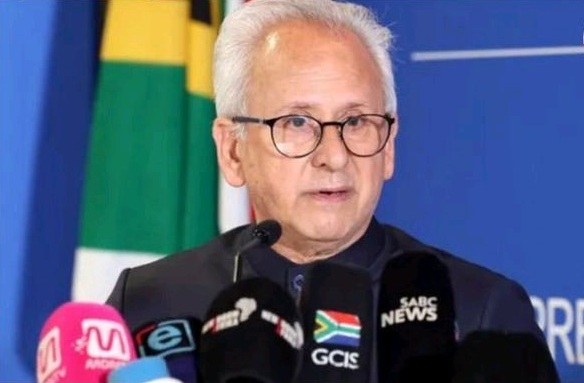
The incident has reignited discussions around illegal migration and public safety, with some political figures warning of rising security threats that may require urgent action. However, Police Minister Firoz Cachalia has firmly dismissed calls for a state of emergency over illegal migration, insisting that existing laws and security structures are adequate to handle the situation.
Responding to the controversy, Cachalia said law enforcement agencies are actively investigating the explosives discovery and assured that anyone found responsible will face the full weight of the law.
He stressed that while the situation is serious, it does not warrant emergency measures. According to him, South Africa already has the legal framework and policing capacity needed to deal with such criminal issues while still upholding constitutional principles.
Reports indicate that the explosives were uncovered during a security operation, though authorities have not yet released full details of the case. The discovery has fueled speculation about possible links to criminal networks and raised concerns about how such dangerous materials were stored without detection.
Opposition parties and some civil organisations have used the incident to criticise government border control policies, arguing that weaknesses in immigration enforcement could allow criminal activity to thrive. They are calling for stricter measures to strengthen national security.
Government officials have urged caution, warning against drawing conclusions before investigations are complete and discouraging the politicisation of the matter. They maintain that law enforcement should be allowed to continue its work without interference.
Security experts have also noted that while the discovery is alarming, it should be assessed based on verified evidence rather than speculation, emphasising the need for a balanced approach between security enforcement, legal processes, and human rights.
As investigations continue, the case has raised broader questions about security readiness, border management, and state capacity to respond to emerging threats, with the final findings expected to influence future policy debates.


