The Economic Freedom Fighters have raised sharp questions about the credibility of the ANC’s candidate for the chairpersonship of the Phala Phala impeachment committee, pointing to her conduct during the Nkandla parliamentary process as evidence that she cannot be trusted to oversee an inquiry into presidential accountability with any degree of impartiality.
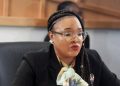
In a post on X, the EFF highlighted the record of Doris Dlakude, the ANC’s nominated candidate for the position, noting that she had vehemently dismissed the findings of then-Public Protector Thuli Madonsela during the ad hoc committee on Nkandla, arguing at the time that Madonsela was not a security expert and therefore unqualified to assess whether the security upgrades at President Jacob Zuma’s private residence had been improperly funded by the state.
“How can someone with this record be trusted to preside over the Impeachment Committee?” the EFF asked, framing the nomination as a deliberate attempt by the ANC to place a loyal defender of executive misconduct at the helm of a process designed to investigate whether President Cyril Ramaphosa has a case to answer over the theft of $580,000 hidden at his Phala Phala farm.
The ANC’s position carries weight as the party with the largest bloc on the 31-member impeachment committee. The ANC holds nine seats on the committee, followed by the DA with five, the MK Party with three, the EFF with two, and twelve smaller parties holding one seat each. Opposition parties have broadly made clear they do not want the ANC to hold the chairpersonship, with the DA stating publicly that it did not think it appropriate for the ANC to occupy the chair position.
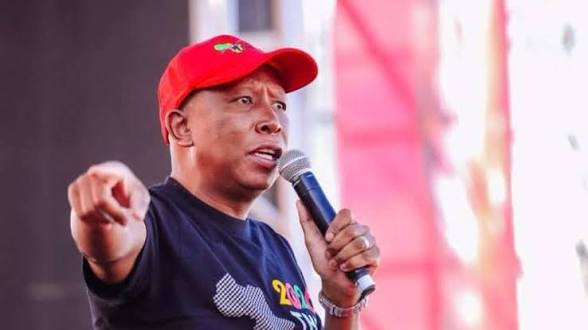
Malema had previously proposed that the chair come from outside the Government of National Unity entirely, arguing that no party governing alongside Ramaphosa could be trusted to conduct an independent process. Political analyst Professor Sipho Seepe argued that the ANC would do everything in its power to retain the chairpersonship, noting that controlling the chair gives a party leverage in directing the committee’s deliberations and protecting its leader from accountability.
The question of who chairs the committee carries additional urgency given that Ramaphosa filed a 63-page application in the Western Cape High Court on May 26, seeking a judicial review of the Section 89 independent panel report that forms the basis of the impeachment process, a move his critics have described as a continued effort to delay and obstruct accountability.