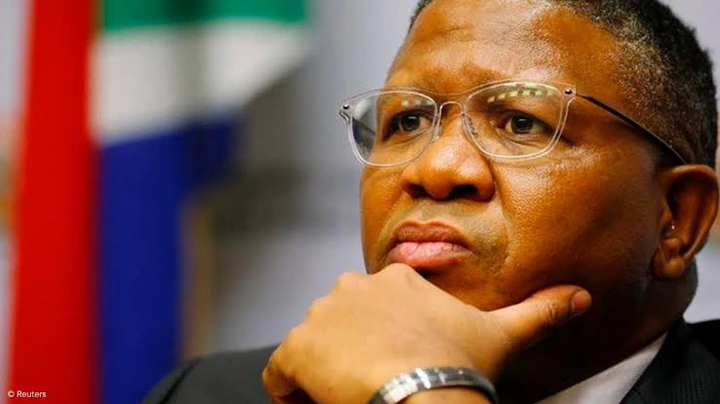
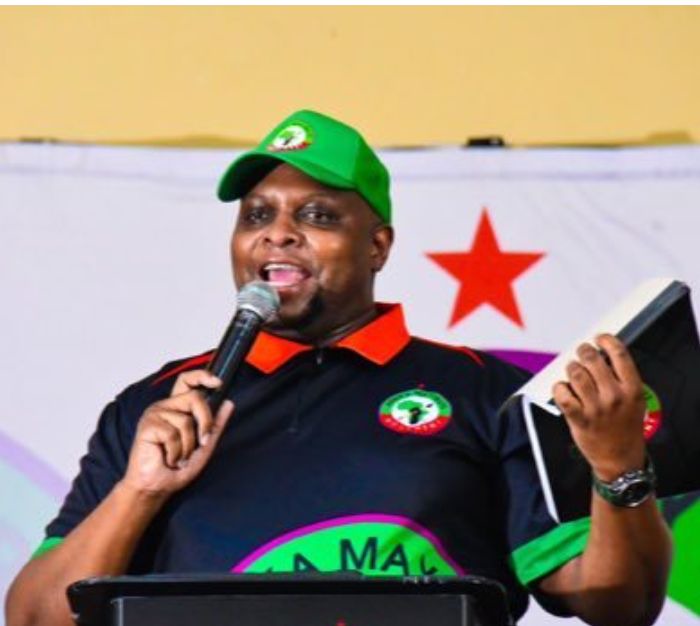
Afrika Mayibuye Movement President Floyd Shivambu addressed members and supporters at Xilumani Hotel in Giyani, where he delivered an extensive explanation on the reasons behind the formation of the new political movement.
Speaking to a packed gathering, Shivambu outlined what he described as the movement’s mission to restore dignity, economic freedom, and genuine representation for ordinary South Africans. He said the Afrika Mayibuye Movement was established in response to growing frustration among citizens who feel neglected by existing political formations.
Shivambu told supporters that many South Africans, particularly young people and marginalised communities, have lost confidence in political organisations that promised transformation but failed to deliver meaningful change. He argued that the country continues to face deep inequality, unemployment, poverty, and corruption despite decades of democracy.
According to Shivambu, the movement seeks to build a new political platform grounded in accountability, African unity, and economic empowerment. He stressed that the organisation would prioritise land reform, job creation, industrial development, and improved access to education and healthcare.
“The people of South Africa deserve leadership that listens to their daily struggles and acts decisively to improve their lives,” Shivambu said during his address. “Afrika Mayibuye is about returning power and hope to the people.”
He further explained that the movement aims to unite communities across racial, cultural, and social divides while promoting African-centred development policies. Shivambu also called on members to remain disciplined, organised, and committed to grassroots mobilisation.
The meeting in Giyani attracted supporters from different parts of Limpopo, with many expressing optimism about the future of the movement. Party members sang liberation songs and pledged support for the organisation’s vision and leadership.
Political observers say the emergence of the Afrika Mayibuye Movement could reshape sections of South Africa’s political landscape, particularly among voters seeking alternatives to established parties. Shivambu’s political experience and public profile are expected to play a significant role in attracting supporters and building the movement’s national presence.
During the gathering, Shivambu reiterated that the movement was not formed for personal ambition, but to respond to the social and economic challenges confronting millions of South Africans.
As the movement continues its mobilisation campaign across the country, attention will remain focused on whether it can convert growing public interest into lasting political influence ahead of future elections.