

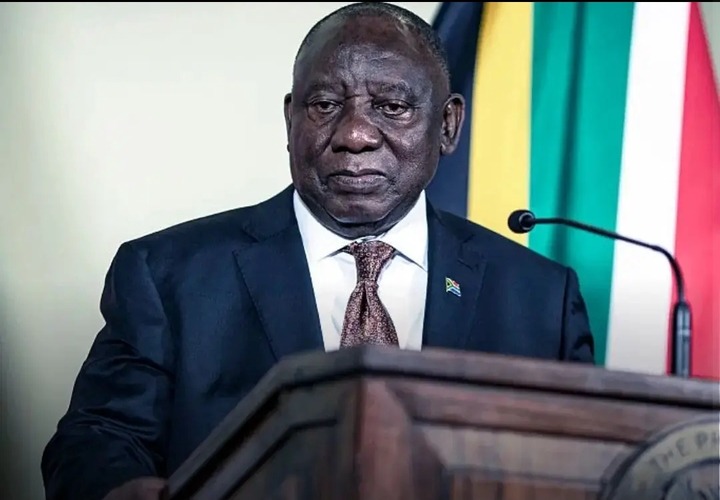
A South African court has delivered a significant judgment involving President Cyril Ramaphosa, ordering him to personally pay legal costs in a case that legal experts have described as a landmark ruling. The decision has attracted widespread public attention, as it is unusual for a sitting president to be held personally responsible for legal expenses arising from a court matter.
The case stemmed from a legal dispute that raised important questions about accountability and the conduct of actions linked to the presidency. After carefully considering arguments presented by all parties, the court concluded that Ramaphosa should bear the legal costs himself rather than having them covered by public funds.
Legal analysts say the ruling reinforces the principle that all public officials, regardless of their position, are subject to the rule of law. According to experts, the judgment serves as a reminder that occupying the highest office in the country does not provide immunity from personal accountability when courts determine that such responsibility is justified.
Public reaction to the ruling has been divided. Many South Africans have welcomed the judgment, arguing that it strengthens confidence in the judicial system and demonstrates that no individual is above the law. Supporters of the decision believe it sends a strong message about transparency, responsibility, and good governance.
However, others have questioned the outcome, suggesting that legal costs arising from matters connected to official presidential duties should be paid by the state rather than by the individual office holder. Critics argue that the distinction between personal and official responsibilities can sometimes be difficult to determine.
Political observers note that the ruling could have far-reaching implications for future cases involving senior government officials. It may also influence how courts approach disputes concerning personal liability and the use of state resources. The presidency is expected to study the judgment before deciding whether to pursue an appeal or take further legal action.


