
Public figure Jacinta has sparked heated debate after claiming that some Ghanaian citizens are overreacting to a controversial video issue and allegedly using the situation as a public relations campaign to portray South Africa as xenophobic on the global stage.
Her comments, which quickly gained traction on social media, come amid growing tensions and online discussions surrounding a video that has triggered outrage among some Ghanaians.
According to Jacinta, the reaction to the video has gone beyond criticism and has evolved into what she believes is an organised attempt to damage South Africa’s international image.
“I believe people are overreacting and using this as a PR stunt to paint South Africans as xenophobic globally,” she reportedly stated.
The remarks immediately divided public opinion online. Supporters of Jacinta argued that isolated incidents should not be used to generalise an entire country or its citizens, while critics accused her of dismissing legitimate concerns raised by affected individuals.
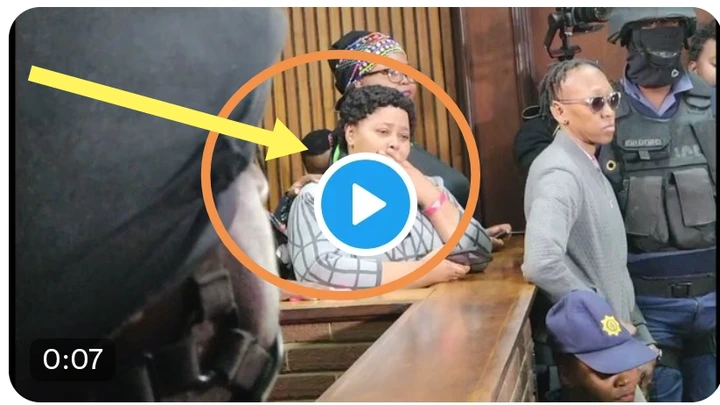
Jacinta believes that Ghanian people are overreacting to the video issue, saying they are using it as a PR stunt to portray South Africa as xenophobic globally. pic.twitter.com/fC6ADHHk3k
— The Instigator (@Am_Blujay) May 29, 2026
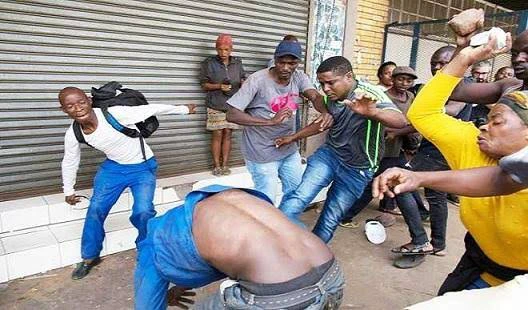
The controversy has reignited broader conversations around xenophobia, African unity and the role social media plays in shaping international perceptions. South Africa has frequently faced criticism over incidents involving foreign nationals, with viral videos and public confrontations often drawing reactions from across the African continent.
Political commentators and social observers say emotionally charged online debates can easily escalate tensions between communities and nations when handled without caution or context.
Some social media users defended Ghanaian reactions, arguing that people have the right to condemn behaviour they perceive as discriminatory or offensive. Others echoed Jacinta’s sentiments, saying online narratives sometimes exaggerate incidents and unfairly portray South Africans in a negative light.
Despite the backlash and growing online discussion, there has been no official response from Ghanaian authorities or organisations linked to the controversy.
Analysts warn that inflammatory rhetoric on social media could deepen divisions if not addressed responsibly. Many have called for calm, respectful dialogue and greater efforts to strengthen relationships between African nations rather than fuel hostility.
As the debate continues trending online, Jacinta’s remarks have once again highlighted the sensitive nature of xenophobia-related discussions and the influence social media holds in shaping public opinion across borders.