

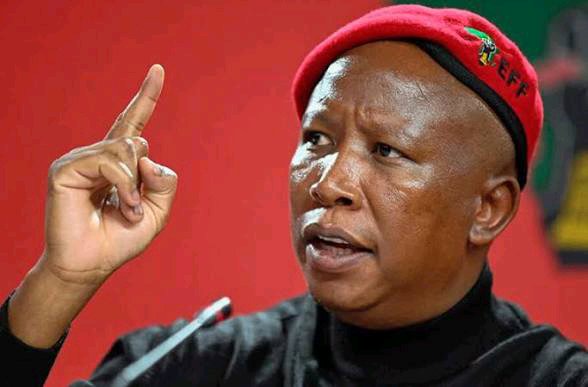
Controversial activist and former broadcaster Ngizwe Mchunu has ignited fresh political controversy after describing Economic Freedom Fighters (EFF) leader Julius Malema as a “dead snake,” in remarks linked to an ongoing legal dispute between the two.
Mchunu made the statement while responding to an earlier lawsuit involving Malema, using strong metaphorical language to question the EFF leader’s political relevance. “He is like a dead snake that will never wake up again,” Mchunu said, a comment that has since drawn widespread attention and mixed reactions.
The remarks signal an escalation in tensions between the outspoken figures, both known for their confrontational styles. Political observers note that such rhetoric reflects a broader pattern of personal disputes spilling into the public domain, often overshadowing substantive policy discussions.
Ngizwe Mchunu calls Julius Malema a “dead snake.”
He says Malema is like a dead snake that will never wake up again, making the remarks in response to the earlier lawsuit. Mchunu added that he would not go to court for Malema, saying if Malema wants him, he should go to Nkandla,… pic.twitter.com/TH8paSDJLL
— Inqubeko News Channel (@Inqubeko_news) April 30, 2026
In addition to his comments, Mchunu declared that he would not appear in court in relation to the matter. Instead, he challenged Malema to engage him outside formal legal channels. According to Mchunu, if Malema wishes to confront him, he should either travel to Nkandla—his hometown—or meet him during public marches.
“I will not go to court for him. If he wants me, he must come to Nkandla or come where we are marching,” Mchunu stated.
The statement has sparked debate among political commentators and the public alike. Critics argue that such language is inflammatory and risks undermining respectful political engagement, while supporters of Mchunu view it as a direct and unapologetic response to what they perceive as politically motivated legal action.
Malema has not yet issued a formal response to the latest remarks. However, the EFF has previously defended its leader’s decision to pursue legal avenues, emphasizing the importance of accountability and the rule of law in addressing disputes.
Analysts warn that continued exchanges of this nature could deepen divisions within the political landscape and erode public trust in leadership. They stress the importance of maintaining decorum and resolving conflicts through established legal and democratic processes.
As the situation develops, attention will likely remain on whether the dispute progresses in court or continues to unfold through public statements and political mobilization.


