The uMkhonto weSizwe Party has started rolling out its provincial and regional election machinery ahead of the 2026 local government elections, with former KwaZulu-Natal premier Willies Mchunu placed at the forefront of its campaign in the province.
In a statement, party secretary-general Sibonelo Nomvalo confirmed the establishment of provincial elections task teams following what he called a national consultative process involving ordinary members.
Announcements were made for four provinces: KwaZulu-Natal, Eastern Cape, Limpopo and Gauteng. The process aimed to identify leadership capable of coordinating and managing the party’s election programme.
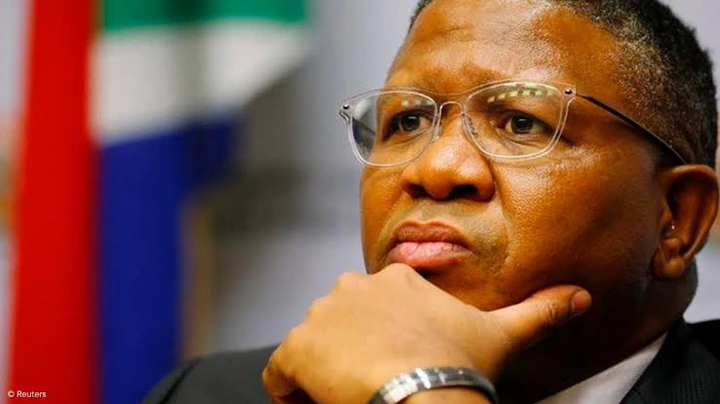
KwaZulu-Natal, seen as a key battleground, features prominently in the first phase of announcements. Mchunu has been appointed as provincial elections convener. He will be supported by deputy convener Lindiwe Dlamini and provincial elections coordinator Simphiwe Mpungose, along with a broader team responsible for mobilising support and building local structures.
Other key figures in the provincial team include deputy coordinator Sanele Shandu, provincial elections organiser Gobizizwe Makhanya and his deputy Thutukani Jeza. The campaign’s financial arm will be led by fundraiser Nonceba Ngcobo and her deputy Steven Moodley, while Mkhuseli Mlengane takes on the role of spokesperson. Security coordination will be handled by Nomafu Ngubane.
Nomvalo said each provincial structure will eventually have 22 members, with the current list set to be expanded. KwaZulu-Natal already has a team of 20 members, while Limpopo and Gauteng have 16 each, and the Eastern Cape has 14.
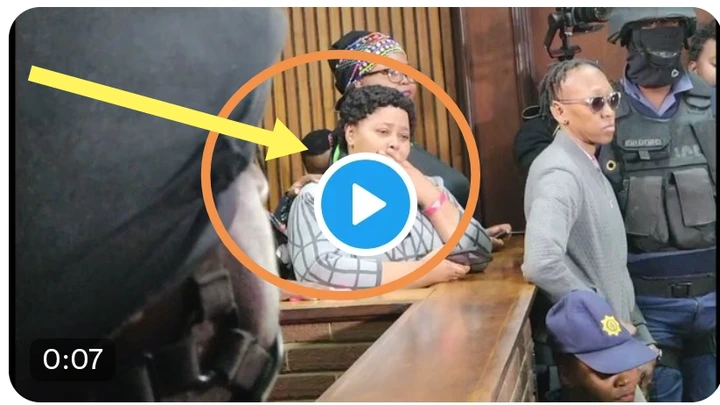
Hawu Same guy? 😳 https://t.co/h7p9FMD7mp pic.twitter.com/e5rAzkanGK
— Miss Ziprusha (@destinyzee) April 23, 2026
The party added that detailed terms of reference will be issued to guide provincial, regional and sub-regional structures. Announcements for the remaining five provinces and all regional structures will be made in the coming days.
Mchunu’s leadership role is notable given his long association with the African National Congress, which he left in a high-profile political shift. Analysts see his move to the MK Party as part of a broader realignment in KwaZulu-Natal politics, where voter loyalties have become increasingly unstable in recent years.