

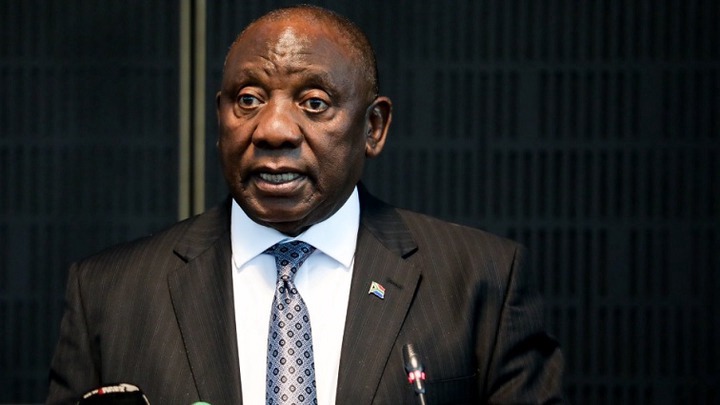
President Cyril Ramaphosa has issued a direct and measured call for mutual respect between South African citizens and foreign nationals living within the country’s borders. His message centers on the idea that social harmony is a two-way street, requiring everyone to follow the same set of rules and social standards. Speaking on the importance of national unity, the President addressed those residing in the country legally, urging them to honor the laws, traditions, and cultural conventions of South Africa just as they would expect their own home countries to be respected.
These remarks arrive at a sensitive time for South Africa. For years, the nation has grappled with the complexities of immigration, often leading to friction within local communities. By specifically addressing those who are in the country through legal channels, Ramaphosa is attempting to shift the conversation toward shared responsibility. His goal is to reinforce the notion that living in a diverse society requires a basic level of sensitivity to the customs and heritage of the host nation. It is a plea for integration that respects the local social fabric rather than disrupting it.
The government’s stance reflects a delicate balancing act. On one hand, South Africa remains a destination for many seeking economic opportunity or safety; on the other, there is a growing domestic demand for stricter law enforcement and better management of resources. Public reaction to the President’s statement has been varied. Many citizens have welcomed the comments, seeing them as a necessary reminder that residency comes with the accountability to uphold the law. Meanwhile, some observers view the speech as a response to the rising political and economic pressures that often fuel anti-immigrant sentiment.
Ultimately, the President is seeking to lower the temperature of a heated national debate. By focusing on the concept of “mutual respect,” the government is trying to promote a more orderly and peaceful coexistence. The message is clear: while South Africa remains an inclusive society, that inclusivity depends on a collective commitment to the rule of law. As the country moves forward, the challenge will be to turn these calls for respect into practical, everyday stability within its diverse neighborhoods.


