

Social media possesses a persistent memory, a phenomenon exemplified by the case of Leleti Nkosi. An older video has recently resurfaced, exacerbating an already contentious situation.
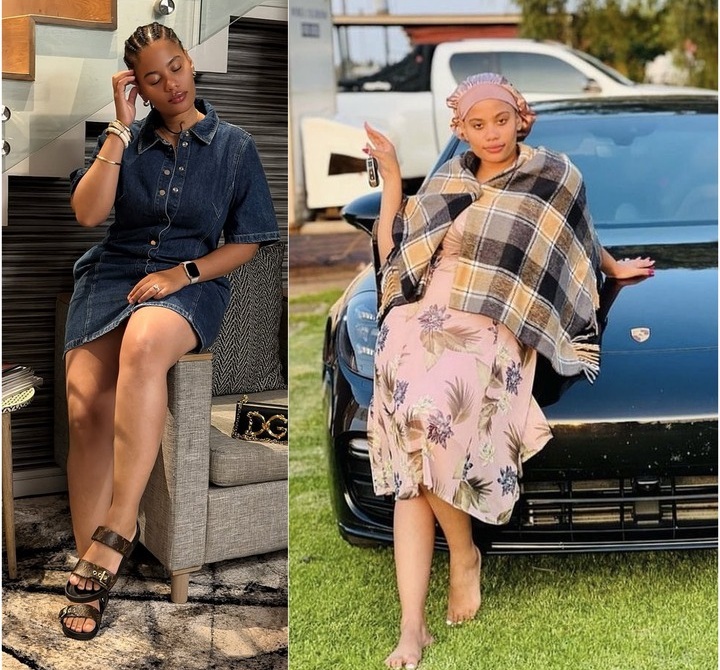
The image on the left depicts Leleti posing beside her luxury vehicle. An archival video featuring influencer Leleti Nkosi has reemerged online, subjecting her once more to public scrutiny amid ongoing investigations concerning her spouse.
This clip, originally disseminated in 2023, captures Nkosi expressing pride in her opulent car, referring to it as a “beast” and humorously noting that individuals often expect a man to be driving, only to be surprised by her presence behind the wheel.
However, the reappearance of this video is particularly poignant given the current circumstances; her husband, Siyabonga Moses Goodwill Nkosi, is under investigation by the Special Investigating Unit for alleged fraud related to Eskom.

Authorities have already implemented a preservation order that freezes several properties and luxury vehicles associated with the case.
The context surrounding this incident has altered public perception of the video shared by user @ministeryatiktok. What was once interpreted as a celebratory moment is now being reevaluated by some as part of a broader narrative concerning wealth and its origins.
Reactions on social media have been mixed, though predominantly critical, with numerous users asserting that this situation underscores the potential for a digital footprint to resurface unexpectedly. Furthermore, some commentators cautioned that social media posts, particularly those depicting affluent lifestyles, can acquire new connotations as circumstances evolve.
As the investigation progresses, the resurfaced video serves as a poignant reminder of the rapid shifts in public perception and the enduring nature of online content.
The visual accompanying this text features Sibusiso Nkosi, who faces allegations of fraud. Online discourse has included various reactions, with users expressing a range of sentiments regarding the implications of the resurfaced video.
For instance, one user remarked, “In a few weeks, after the dust has settled, ‘they can never make me hate you’.” Another questioned, “Why am I seeing so many of her videos now?” Some expressed outrage, linking the situation to broader societal issues, while others reflected on the importance of discretion in showcasing one’s lifestyle.
Overall, this incident illustrates the complexities of digital presence and the potential ramifications of past actions in the context of contemporary scrutiny.


