

China has reaffirmed its strategic partnership with Iran, highlighting its commitment to safeguarding trade and energy interests in the unstable Middle East amid rising global concerns about stability in the Strait of Hormuz.
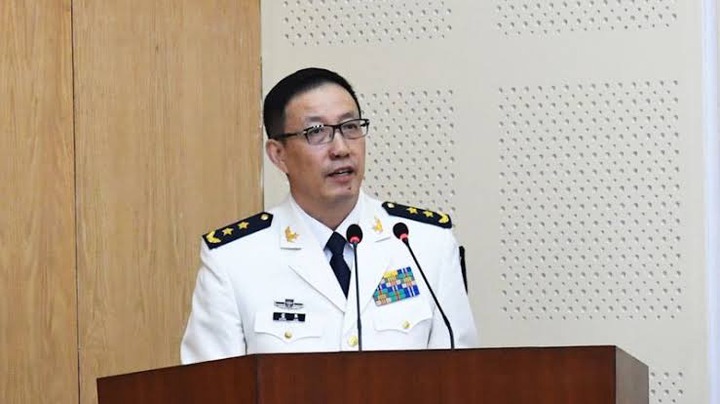
In a forceful statement, Chinese Defence Minister Dong Jun emphasized Beijing’s stance, stating that China is dedicated to global peace while closely observing regional developments. He asserted that China would not tolerate any interference in its agreements with Iran.
“We are committed to peace and stability worldwide. We are keeping an eye on the situation in the Middle East. Our vessels are operating in and out of the Strait of Hormuz. We have trade and energy agreements with Iran that we honor, and we expect others not to interfere,” Dong remarked.
The Strait of Hormuz is one of the most vital oil transit routes globally, with nearly 20% of the world’s oil supply passing through this narrow channel. Iran’s control over the strait has established it as a crucial player in global energy security, making any escalation in the region a significant concern for the international community.
As the world’s top importer of crude oil, China is heavily dependent on energy imports from the Gulf. Its growing ties with Iran, involving long-term agreements on infrastructure, energy, and trade, have caught the attention of Western nations wary of Beijing’s increasing influence.
Dong’s comments come during a period of elevated geopolitical tension, characterized by increased naval activity in the Gulf and worries about potential disruptions to shipping routes. Although China frames its military presence as standard and commercially motivated, analysts interpret this statement as indicating a more assertive geopolitical approach, particularly concerning the protection of its economic interests.
By asserting that the Strait remains “open” for Chinese vessels, Beijing seems to be reaffirming its confidence in its relationship with Tehran and its commitment to maintaining steady access to crucial energy supplies.
This statement likely complicates an already delicate regional balance as global powers contend with conflicting interests in one of the most strategically sensitive waterway areas in the world.


