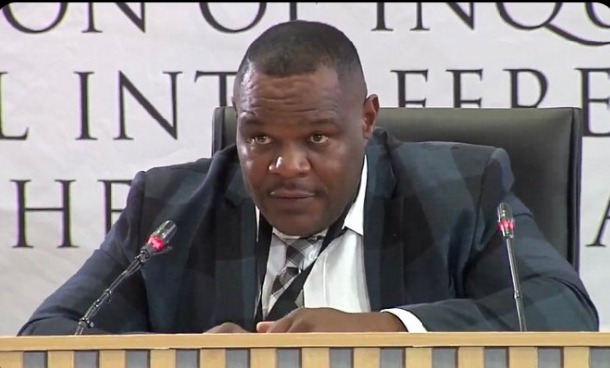
A South African court has heard urgent arguments from the defence team of Sergeant Nkosi, who claims deteriorating conditions and safety concerns have left him unable to eat for six consecutive days since his arrest. The case, which continues to draw public and legal attention, has now shifted focus to the circumstances surrounding Nkosi’s detention and the strength of the charges against him.
Representing Nkosi, advocate Dlali told the court that his client’s refusal to eat is not an act of protest but a direct response to fears for his personal safety while in custody. Dlali argued that the current detention environment poses a serious risk, prompting a formal request for Nkosi to be held at a police station rather than in a correctional facility. According to the defence, such a move would better guarantee his safety while legal proceedings unfold.
The defence team further raised concerns about the manner in which Nkosi was arrested, questioning the validity and execution of the search warrant that led to his detention. Dlali suggested that procedural irregularities may have occurred, casting doubt on whether law enforcement adhered to proper legal standards. These claims form part of a broader argument that the case against Nkosi lacks substantive grounding.
In a strongly worded submission, the defence pushed for an immediate bail application, insisting that continued incarceration is both unnecessary and unjust. Dlali described the charges as “flimsy,” maintaining that the prosecution has yet to present compelling evidence warranting prolonged detention. He emphasized that Nkosi has cooperated with authorities and poses no flight risk, further strengthening the case for his release.
Prosecutors, however, are expected to oppose bail, citing the seriousness of the allegations and the need to ensure the integrity of the ongoing investigation. While details of the charges remain limited, the State is likely to argue that Nkosi’s release could interfere with witnesses or evidence.
The court is now tasked with balancing these competing arguments—Nkosi’s alleged vulnerability in custody against the State’s obligation to pursue justice without compromise. A ruling on the bail application is anticipated in the coming days, a decision that could significantly shape the direction of the case.
As proceedings continue, the matter underscores broader concerns around detention conditions, due process, and the rights of accused individuals within South Africa’s criminal justice system.