

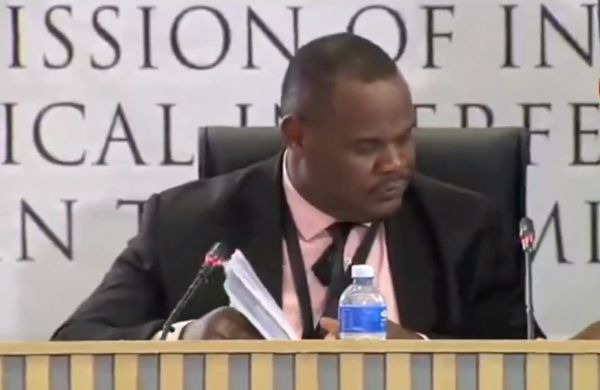
Tensions within the coalition government in Tshwane are becoming more visible and uncomfortable. What once might have been quiet disagreements are now turning into a slow, uneasy standstill. The main players in this situation are two large political groups, the African National Congress (ANC) and the Economic Freedom Fighters (EFF). Their partnership, which was once seen as a working alliance, now seems fragile and strained.
Recent developments have added more complexity to the situation. There were reports involving a politician named Fannie Nkosi, who apparently had conversations on his phone that raised eyebrows. These messages suggest that Julius Malema, the leader of the EFF, might have been influenced or guided by someone called Mr. Mnisi. It’s important to note that these claims are not proven, but they have sparked suspicion and concern among those closely observing the coalition’s dynamics.
What is particularly noteworthy is how people reacted to this information. Nkosi reportedly felt the need to bring in an interpreter to help him navigate the situation. While this might seem like a small detail, it points to a deeper problem: communication breakdown. When leaders cannot communicate effectively, trust tends to suffer, and that can weaken the entire partnership.
For residents of Tshwane, these political struggles are not just distant headlines. They have real effects on everyday life. Decisions about public services, infrastructure projects, and community programs depend heavily on cooperation among leaders. When internal conflicts interfere, progress slows down, and uncertainty grows about what will happen next.
There is also a human element to this story. Behind every message, phone call, or meeting are individuals trying to balance their power, loyalty, and sense of responsibility. Whether the allegations are true or not, they show how fragile political relationships can become under pressure.
What is most needed now is transparency. Citizens have a right to clear and honest explanations, not just rumors or speculation. Both the ANC and the EFF face a choice: they can address these concerns openly or risk allowing doubts to deepen and fester.
Ultimately, political coalitions don’t survive just because parties agree on everything. They endure when leaders manage their differences with respect and openness. Right now, it’s uncertain whether Tshwane’s coalition can maintain that delicate balance.


