

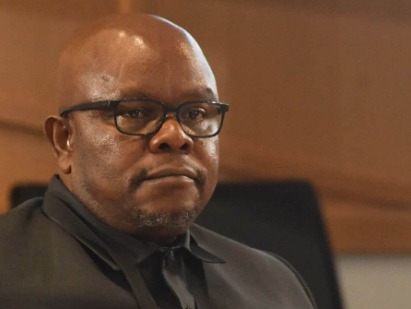
Major-General Lesetja Senona, the head of the Hawks in KwaZulu-Natal, has become the centre of public debate after reports emerged that he is keeping a low profile following his appearance at the Madlanga Commission of Inquiry. His absence has drawn attention because it comes at a critical time for the commission, which is investigating corruption, political influence and the conduct of senior police officials.
Senona testified before the commission about his role in the Hawks and his links to controversial businessman Vusimuzi “Cat” Matlala. During his testimony, he denied any wrongdoing but admitted that he feared for his safety. Shortly afterwards, reports surfaced that he was no longer reporting for duty at his Durban office and that police had taken his official devices as part of internal processes.
Police management in KwaZulu-Natal has pushed back against claims that Senona was threatened. SAPS officials have said there is no intelligence confirming that his life is in danger and insist that standard procedures were followed after concerns were raised about his conduct. This contradiction between Senona’s claims and SAPS’ response has fuelled speculation and intense discussion on social media and in political circles.
The situation matters because it touches on public trust in law enforcement. As a senior figure tasked with fighting serious crime and corruption, Senona’s actions and explanations are being closely watched. Critics argue that uncertainty around his whereabouts weakens confidence in the Hawks, while others believe his concerns highlight the risks faced by officers involved in sensitive investigations.
The Madlanga Commission continues its work, hearing testimony from other witnesses and examining evidence related to policing failures and alleged corruption. The outcome of the inquiry is expected to influence future reforms within SAPS. For many South Africans, the Senona saga is a reminder of the urgent need for transparency, accountability and stability within the country’s crime-fighting institutions.


