

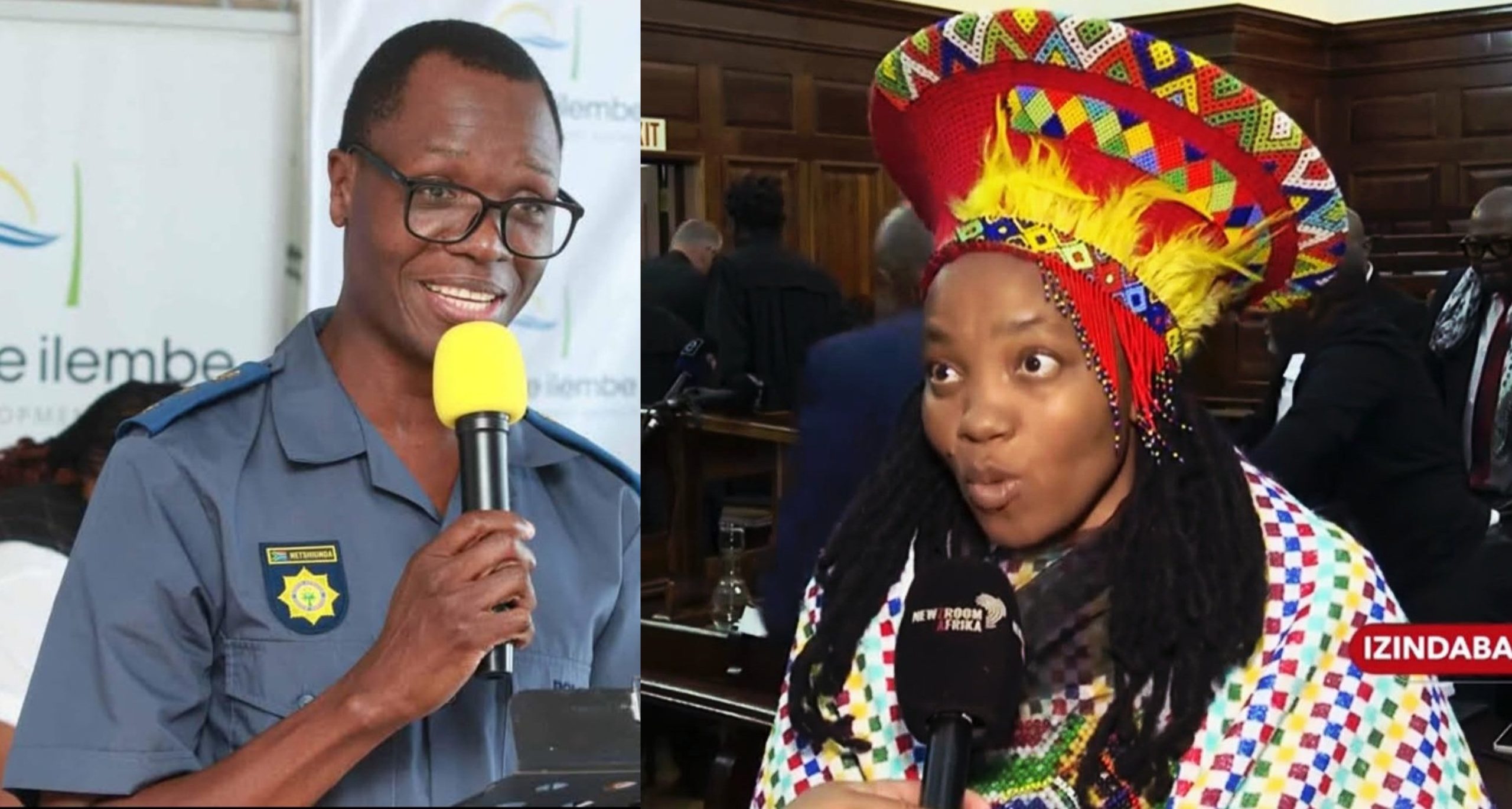
The recent humiliation of KwaZulu-Natal Provincial Police spokesperson, Colonel Robert Netshiunda, serves as a chilling reminder that the “Rainbow Nation” is still haunted by the specters of ethnophobia and tribalism. Netshiunda, a Venda-speaking officer from Limpopo, was harangued by a local woman in Durban for his perceived status as an “outsider,” using the derogatory slur Kwerekwere. This incident is not merely an isolated case of rudeness; it is a manifestation of a deep-seated black-on-black hate that threatens the very fabric of South African democracy.
For decades, the apartheid regime’s “separate development” model utilized the Bantustans to fragment the black majority. By isolating ethnic groups Zulu, Xhosa, Venda, Tswana, and others into regimented territories, the colonial state successfully implemented a “divide and conquer” strategy. While 1994 brought political liberation, the psychological walls of these Bantustans clearly remain standing in the minds of many. The colonial hangover of ethnic chauvinism has metastasized into a modern form of tribal arrogance where some citizens feel they can gatekeep certain provinces as exclusive ethnic territories.
The nationwide support for Netshiunda, punctuated by the poignant open letter from Thulani Zulu, highlights a critical ideological battle. Zulu’s letter correctly asserts that KwaZulu-Natal is a constitutional province, not an ethnic fiefdom. The attempt to bully a public official for speaking English a neutral, official language is a form of “linguistic tyranny.” It ignores the constitutional reality that South Africa belongs to all who live in it, and that no citizen is a “foreigner” within their own borders.
To move forward, South Africa must acknowledge that tribalism and xenophobia are two sides of the same coin. The “kwerekwere” slur, usually reserved for African immigrants, being turned against a Venda-speaking South African reveals that the root of the problem is a rejection of diversity. Until the country confronts this primitive tribalism with the same vigor it reserves for racism, the dream of a unified nation will remain a distant mirage. Netshiunda’s composure under fire proved his professionalism, but the incident itself proved that South Africa’s greatest struggle is no longer just against the legacy of the past, but against the small-minded nationalism of the present.


