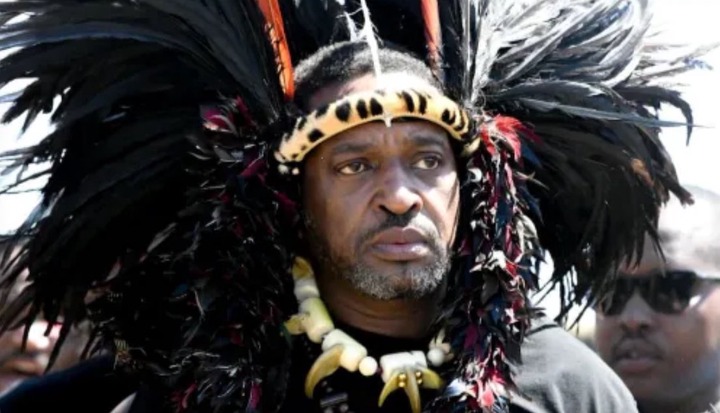
King Misuzulu kaZwelithini, the reigning monarch of the Zulu nation, has revived a long-standing campaign calling for the renaming of the KwaZulu-Natal province. The king has proposed dropping “Natal” from the province’s official name, advocating that it be known simply as “KwaZulu” to reflect the heritage and identity of the Zulu people.
The campaign, which has resurfaced amid renewed discussions about cultural recognition and historical identity, emphasizes the significance of names in preserving cultural heritage. King Misuzulu stated that the name “KwaZulu” honors the homeland of the Zulu nation and carries historical and cultural meaning that should be acknowledged at the provincial level.
“The name KwaZulu represents our people, our history, and our legacy. Retaining ‘Natal’ diminishes the recognition of the Zulu nation and its contributions to the province’s identity,” the king reportedly said during a recent public address.
The proposal has sparked widespread discussion among political leaders, historians, and the general public. Supporters argue that changing the province’s name would be a symbolic restoration of cultural pride and a step toward acknowledging indigenous identities in post-apartheid South Africa. Critics, however, caution that renaming a province involves legal, administrative, and economic considerations, including changes to official documents, signage, and government records.
Legal experts note that any name change would require approval from the national government and the South African Geographical Names Council, which oversees place names and ensures adherence to cultural and historical considerations. The process may also involve public consultations to gauge the views of residents and other stakeholders within the province.
Political analysts suggest that the campaign could influence debates on national identity, decolonization, and cultural recognition, topics that have been increasingly prominent in South African public discourse. They also highlight the potential for both support and opposition, given the diverse population of KwaZulu-Natal, which includes not only Zulu communities but also other ethnic and cultural groups.
The revival of the campaign has also drawn reactions on social media, with citizens and commentators weighing in on the historical context, practicality, and symbolic value of the proposed name change. Many Zulu cultural organizations have expressed support, viewing it as a reclaiming of heritage and acknowledgment of the Zulu nation’s enduring influence in the region.
KwaZulu-Natal, historically known simply as “Natal” during colonial times, was merged with the KwaZulu homeland in the post-apartheid era to form the current provincial structure. The proposed change would formally remove the colonial-era reference, reflecting a broader trend in South Africa of renaming cities, streets, and regions to honor indigenous history and heritage.
As the discussion unfolds, King Misuzulu and his advisors are expected to engage with government officials and the public to advance the proposal. Observers note that while the process may be lengthy and complex, the campaign highlights ongoing efforts to reconcile South Africa’s diverse histories with contemporary governance and cultural recognition.