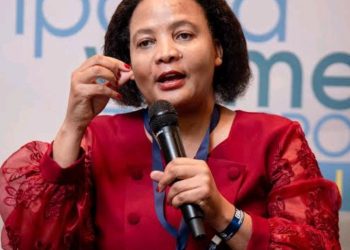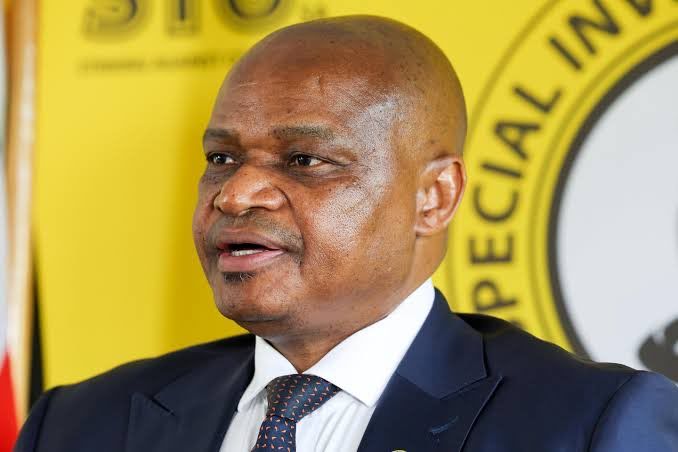
Security strategist Andy Mashaile has welcomed the appointment of Advocate Jan Lekgoa Mothibi as the new National Director of Public Prosecutions (NDPP), describing the decision by President Cyril Ramaphosa as a timely move that could strengthen the country’s justice system.
Mothibi, who currently heads the Special Investigating Unit (SIU), was named as the new leader of the National Prosecuting Authority (NPA) following a period of uncertainty and leadership changes within the institution. The Presidency said the appointment was made after a careful assessment of his legal expertise, leadership credentials and experience in handling complex investigations.
Reacting to the announcement, Mashaile said Mothibi’s background at the SIU positions him well to add value to the NPA. He noted that the incoming NDPP has been at the centre of several major investigations involving corruption, maladministration and the misuse of public funds, giving him first-hand knowledge of how cases are built from investigation through to prosecution.
According to Mashaile, one of the biggest challenges facing the NPA has been the gap between investigators and prosecutors, which has often resulted in weak cases collapsing in court. He believes Mothibi’s experience working closely with law enforcement agencies will help improve coordination and ensure stronger, well-prepared prosecutions.
The appointment comes at a time when public pressure is mounting for visible action against corruption and organised crime. The NPA has faced criticism over delays and perceived failures in high-profile cases, making the role of the NDPP central to restoring public confidence in the criminal justice system.
Mashaile also stressed that independence will be key to Mothibi’s success, adding that the new NDPP must act without political interference and remain guided by the Constitution and the rule of law. He said the credibility of the NPA depends largely on the firmness and integrity of its leadership.
As Mothibi prepares to take over the reins, expectations are high that his tenure will bring renewed focus, stability and accountability to the prosecuting authority. For observers like Mashaile, the appointment represents more than just a change in leadership, but a potential turning point for an institution under intense national scrutiny.