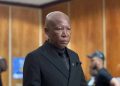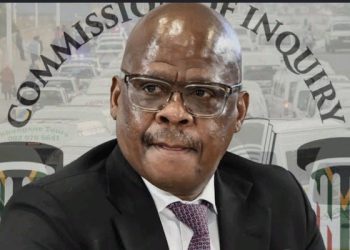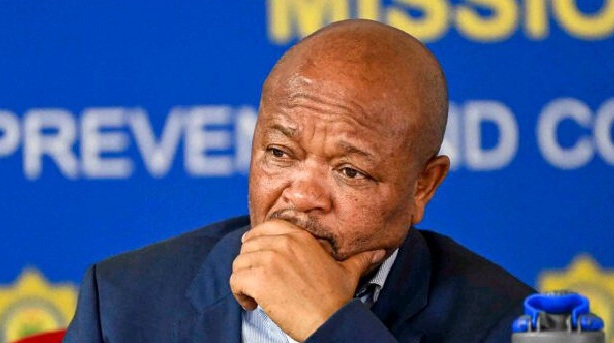
Suspended Police Minister Senzo Mchunu has told the Constitutional Court that he was blindsided by public accusations made by KwaZulu-Natal police commissioner, Lieutenant General Nhlanhla Mkhwanazi, implicating him in shielding criminal syndicates.
In a sworn affidavit submitted to the apex court this week, Mchunu described Mkhwanazi’s remarks as “unexpected, damaging, and devoid of factual basis,” asserting that the statements not only tarnished his reputation but also compromised the integrity of law enforcement processes.
“The comments made by Lieutenant General Mkhwanazi were completely unforeseen and without prior notice. At no point was I contacted to respond to or clarify any such allegations before they were made public,” Mchunu said in the document.
The dispute erupted earlier this month when Mkhwanazi, speaking at a high-level police briefing, stated that “certain political figures” were obstructing police operations by shielding known criminal networks. Though he did not initially name anyone, Mchunu’s name surfaced days later in media reports quoting senior police sources.
Mchunu, who was placed on precautionary suspension shortly after the claims gained traction, has vehemently denied any wrongdoing. He is now asking the Constitutional Court to intervene in what his legal team terms an “unlawful and politically motivated campaign” to discredit him.
“The suspension is premature, lacks legal grounding, and is clearly driven by a desire to remove me from office under the veil of accountability,” the affidavit reads. “This is a dangerous precedent where law enforcement leaders publicly accuse political heads without due process.”
The matter has sent shockwaves through the political and security sectors, with factions in both the ANC and the police service taking sides. Some insiders argue that Mchunu’s suspension is necessary to ensure impartial investigations, while others view it as a strategic move to sideline a political rival.
In response to the court application, the Office of the President said it would “allow legal processes to unfold without interference,” reaffirming its commitment to transparency and justice.
The Constitutional Court is yet to set a date for the hearing, but legal experts suggest the matter could be expedited due to its implications on executive accountability and the independence of the police.
Meanwhile, Mkhwanazi has remained firm on his position, stating last week that he “stands by every word” he uttered and will cooperate fully with any legal scrutiny.