

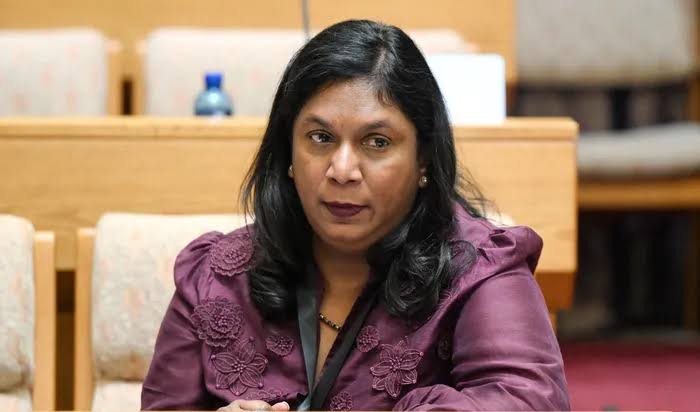
Advocate Andrea Johnson, Director of the Investigating Directorate Against Corruption (IDAC), has stated that she was entirely caught off guard by the media briefing conducted on July 6 by KwaZulu-Natal police superintendent Lt-Gen Nhlanhla Mkhwanazi. During her remarks before the ad hoc committee examining allegations of criminal infiltration and corruption within South Africa’s justice system, Johnson stated that she did not see the necessity of the briefing and emphasised that she and Mkhwanazi had collaborated closely for many years without any disagreements. She emphasised that IDAC bore no responsibility for the preparation or approval of the public disclosure issued that day.
The briefing on July 6 presented extensive allegations regarding a formidable criminal syndicate, referred to as the “Big Five,” which purportedly infiltrates law enforcement and intelligence agencies, and asserted that the disbandment of the Political Killings Task Team (PKTT) has exacerbated the situation. Mkhwanazi further alleged that senior officials are shielding individuals engaged in homicide, drug trafficking, and various other illicit activities. Johnson remarked that the timing and manner of the disclosure were concerning, as IDAC had only been informed on the same day that the PKTT coordinator was a primary suspect, rendering it impossible for the agency to have prepared or coordinated the briefing.
During committee hearings, Mkhwanazi and his supporters suggested that internal sources within IDAC could have supplied information for the briefing, citing senior investigator Brian Padayachee as a potential intermediary. Johnson firmly denied these allegations, defending Padayachee and asserting that no member of IDAC possessed the authority to disseminate documents without adhering to established procedures. She emphasised that the claims of institutional subversion were baseless and reaffirmed that IDAC continues to be dedicated to investigating corruption within the legal framework.
Johnson also disclosed the personal dangers she encountered after the briefing, including a disturbing message instructing her to “get the body bags ready,” which constituted a direct death threat associated with ongoing investigations. Despite these threats, she affirmed that IDAC would persist in its efforts and remain committed to its responsibilities, emphasising that combating corruption demands fortitude and strict adherence to the law.
The incident has underscored an increasing divide within South Africa’s law enforcement agencies, prompting concerns regarding collaboration and mutual trust among the entities. Johnson’s assertion that IDAC was not involved in the July 6 briefing has undermined the official account of how the briefing was arranged, and the continuing investigations may have substantial repercussions for both law enforcement and political institutions should additional evidence come to light.


