

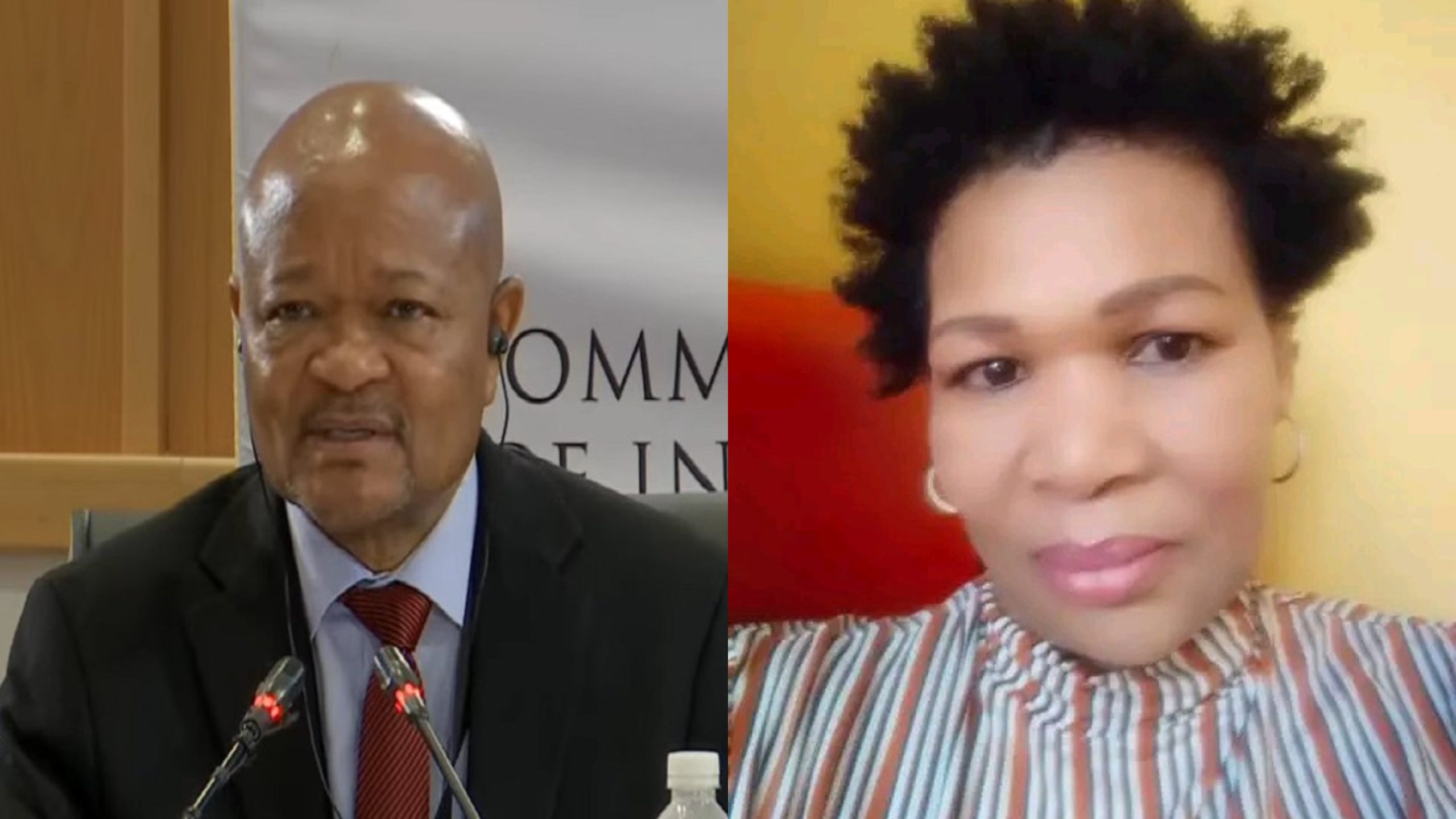
Police Minister Senzo Mchunu has shifted responsibility for the disbandment of the Political Killings Task Team (PKTT) onto outspoken whistleblower Patricia Mashale, claiming her public Facebook disclosures “severely wounded” the image and credibility of the South African Police Service (SAPS).
Speaking amid mounting scrutiny linked to the #MadlangaCommissionOfInquiry, Mchunu said Mashale’s warnings—though framed as acts of bravery—triggered a crisis of confidence within the unit and ultimately influenced his decision to shut it down.
According to the minister, the public nature of Mashale’s allegations compromised sensitive investigations and exposed internal weaknesses that, in his view, made the continued operation of the PKTT “untenable.”
“She chose a public platform that embarrassed the institution and undermined its authority,” Mchunu said, adding that trust in law enforcement is a “delicate national asset.”
However, critics have strongly challenged the minister’s stance, arguing that placing the blame on a whistleblower shifts attention away from deeper systemic failures within SAPS. Civil society groups and legal analysts have warned that such remarks could discourage future whistleblowers from coming forward with critical information.
Mashale’s supporters insist her posts were driven by fear for her safety and frustration over alleged inaction within official channels. They argue that her disclosures highlighted long-standing concerns around political interference, selective investigations, and internal sabotage within the task team.
As the commission of inquiry continues to probe the circumstances surrounding the PKTT’s collapse, pressure is mounting on the minister to clarify whether institutional reform—or reputational control—was the true motivation behind one of the most controversial policing decisions in recent years.


