

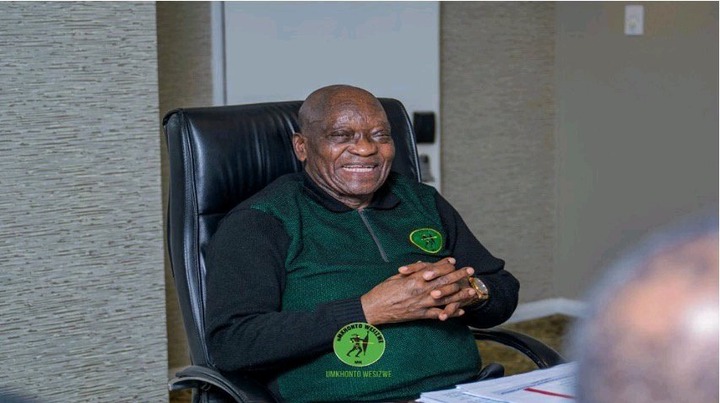
South Africa enters another tense political week as former President Jacob Zuma prepares to launch an appeal on Monday against a ruling that could force him to repay R28.9 million in state-funded legal fees. The decision has reignited long-standing debates about accountability, public money, and the boundaries of state support for former leaders.
Public reaction erupted almost immediately after news of the appeal surfaced. Many South Africans expressed frustration over the continued use of taxpayer resources in Zuma’s legal matters. One citizen wrote: “He must pay back our money, he cannot use state money to fight his personal cases.” The comment reflects a widespread feeling that the financial burden carried by the state has been excessive and unjustified.
Others broadened the discussion beyond Zuma, pointing to what they believe is a pattern of inconsistent accountability within government. A second commenter argued: “He must pay back the money but Ramaphosa also needs to pay tax on the USD 580,000 that was found stuffed in his couch. Corruption is corruption and they have both broken the law here.” Their view underscores a demand for equal scrutiny across political lines.
A more direct response came from another user who said: “He must pay back, it’s our money.” These short but sharp remarks mirror the growing impatience among citizens who feel that repeated legal battles involving political figures continue to drain national resources.
Zuma’s legal team maintains that he was entitled to state-funded support because the charges related to actions during his time in public office. The appeal is expected to challenge the High Court’s conclusion that the costs were personal and should not have been borne by taxpayers.
As the case returns to the legal arena, it carries implications beyond the former president. The outcome may influence how future administrations interpret state liability for legal expenses involving public officials. While the courts prepare to hear the arguments, South Africans remain vocal, insisting that transparency and fairness must guide the next chapter of this long-running dispute.


