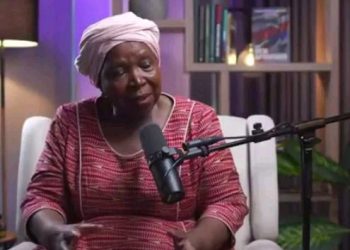
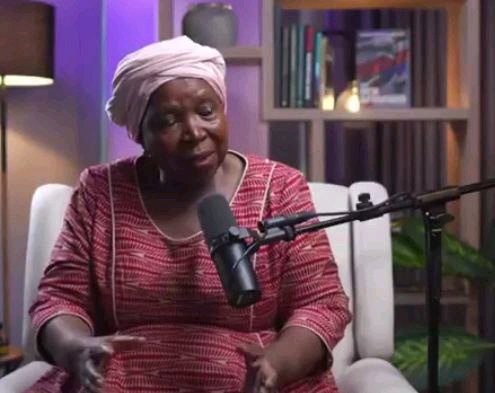
According to Dr. Nkosazana Dlamini-Zuma, a former minister of international relations and cooperation for South Africa, she once confronted the French government about the treatment of African foreign ministers during their official visits to Paris.
French officials had told Dlamini-Zuma that visiting African ministers would not typically meet with France’s foreign minister, she recalled. They were instead supposed to meet with the minister in charge of cooperation.
Nevertheless, she was dissatisfied with the arrangement and adamant that her French counterpart receive her as the foreign minister of South Africa.
As far as she was concerned, the planned meeting ran counter to the idea of diplomatic equality. When interacting with foreign partners, she insisted that South Africa should be treated with the same dignity as any other country.
Memorizing the event, Dlamini-Zuma clarified that she had communicated her stance to the French authorities and was ready to depart from Paris without convening a meeting if her request had been rejected.
Speaking about her time as Foreign Minister (@DIRCO_ZA), she recalled a visit to Paris where she was informed by the French government that African ministers do not meet with their French counterparts but rather the Minister of Cooperation.
She went on to say that she had met with France’s foreign minister or preferred to depart without meeting anyone, and that she had firmly rejected the arrangement.
“I threatened to leave without meeting anyone unless they gave me the foreign minister,” Dlamini-Zuma stated.
Her recollection is that she was able to meet with the French foreign minister after the French authorities granted her request. According to her, everyone involved felt heard and that the meeting was productive.
“The French foreign minister was given to me, and we got along famously,” she boasted.
In light of her story, people are talking again about how African diplomats have been treated in the past, especially in ties between African nations and their former colonial powers.
The importance of diplomatic equality is still emphasized by numerous African leaders and commentators. They contend that African nations ought to have the opportunity to interact with their foreign counterparts on an equal footing, free from any arrangements that might be seen as eroding their sovereignty or status.
What Dlamini-Zuma went through shows how fiercely she defended what she saw as an issue of respect for South Africa. She refused to meet with the proposed official and instead wanted to speak with someone in a similar role.
The political weight of the officials participating in diplomatic meetings can be substantial, regardless of how governments are structured. Visiting delegations’ impressions of the relationship between the countries may be impacted by such arrangements.
The importance of self-assurance and resoluteness in diplomatic negotiations is further illustrated by the former minister’s memory. According to her story, the meeting she had asked for came about because she dared to question the arrangement.
The incident has thus become a case study in debates regarding Africa’s diplomatic position and the significance of mutual regard in global diplomacy.
Dlamini-Zuma concludes by stating that all representatives, regardless of their nationality, should be treated with respect and dignity.