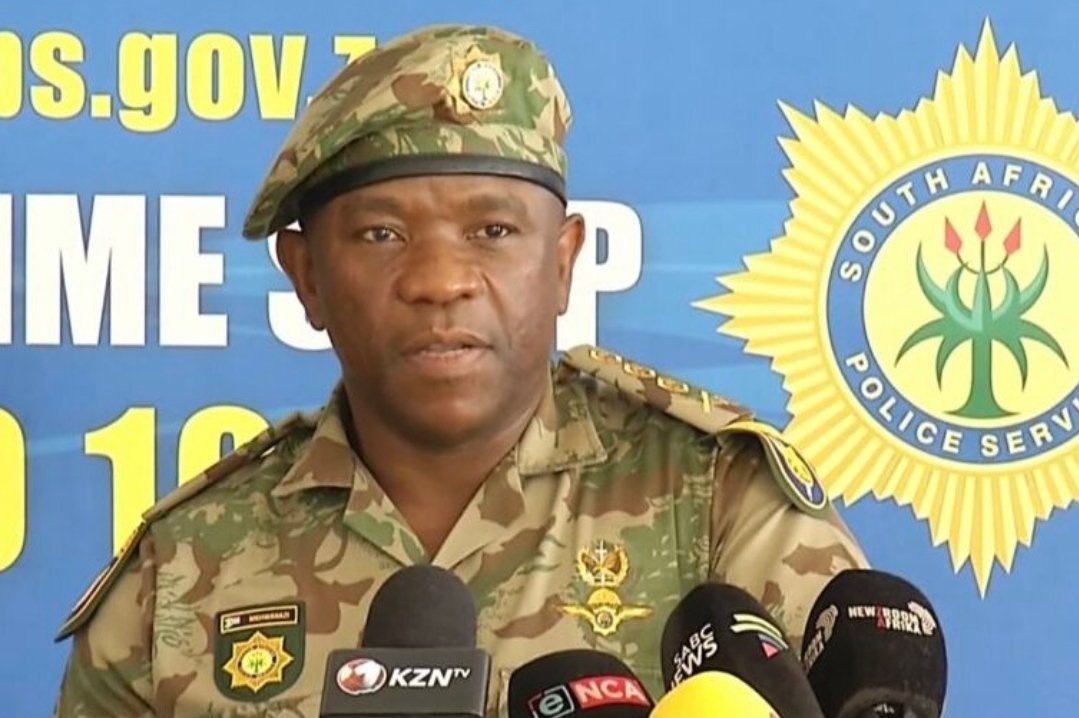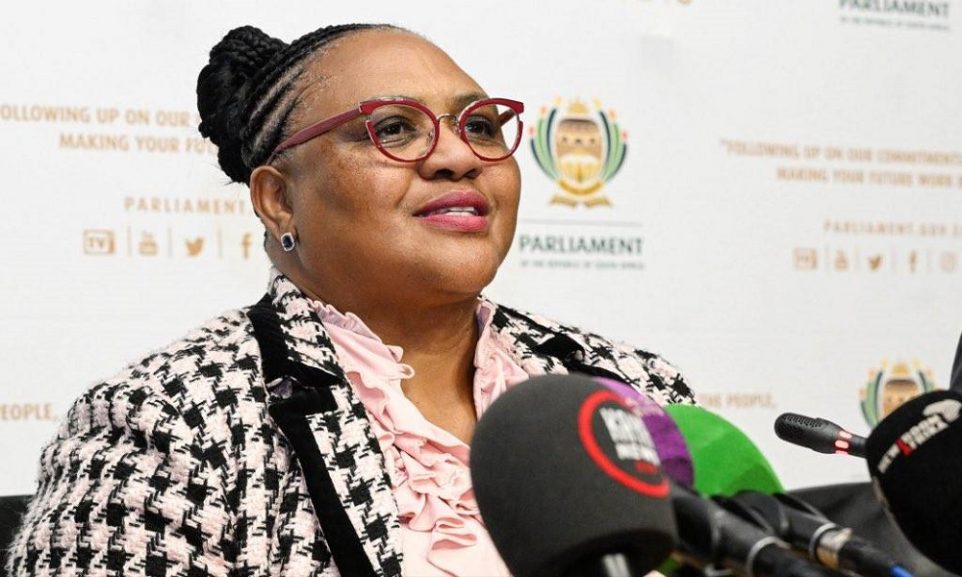
National Assembly Speaker Thoko Didiza has indicated that Parliament may take action following explosive allegations made by KwaZulu-Natal Police Commissioner Lieutenant-General Nhlanhla Mkhwanazi, who recently suggested that politicians may be interfering in police operations.
Speaking through her office on Tuesday, Didiza confirmed that she is considering several options in response to the commissioner’s remarks, which sparked widespread debate across political circles and law enforcement structures. While she did not reveal the exact measures under consideration, reports suggest that Parliament could initiate a formal inquiry or summon Mkhwanazi to appear before a parliamentary committee.
The controversy began after Mkhwanazi alleged during a media briefing that certain political figures had attempted to influence operational policing matters in KwaZulu-Natal. Although he did not identify any individuals, the claims have triggered strong reactions and intensified concerns about the independence of policing in South Africa.
Didiza stressed that any allegation of political interference in law enforcement must be treated seriously, warning that such claims strike at the core of constitutional governance. She said Parliament has a responsibility to safeguard the integrity of state institutions and ensure accountability where concerns arise.
Opposition parties have quickly called for action. The Democratic Alliance has urged Parliament to give Mkhwanazi an opportunity to present evidence supporting his allegations. DA shadow police minister Andrew Whitfield argued that any form of political meddling in policing could undermine crime-fighting efforts and weaken public trust in law enforcement.
Meanwhile, Police Minister Bheki Cele has remained largely silent on the matter. Reports indicate that he is consulting legal advisers before making any public statement, amid concerns that the issue could further heighten tensions within police leadership and political structures.
As pressure continues to mount, attention is now turning to Didiza’s next move. Any parliamentary intervention could have far-reaching implications for the relationship between political leaders and law enforcement agencies, while also testing Parliament’s commitment to oversight and accountability.
South Africans will be watching closely to see whether Mkhwanazi’s allegations lead to a formal investigation or become another chapter in the country’s ongoing debate about political influence within state institutions.