

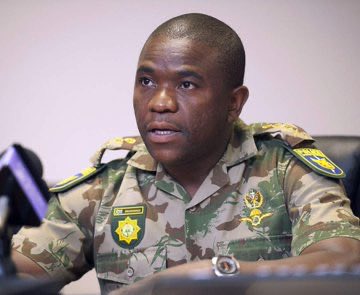
Public debate has intensified following recent claims circulating on social media involving senior law enforcement officials and internal investigative processes within South Africa’s policing and anti-corruption structures.
At the centre of the discussion are remarks attributed to SAPS General Nhlanhla Mkwanazi, who has reportedly raised concerns about challenges faced during engagements involving the Independent Directorate Against Corruption (IDAC). According to circulating reports, these interactions relate to an alleged failure to execute certain enforcement actions, although official details remain limited.
The situation has triggered widespread commentary online, with various narratives emerging regarding internal accountability, institutional coordination, and the effectiveness of investigative procedures within the country’s law enforcement framework.
While some social media posts have escalated the matter into claims of broader political interference and coordinated resistance within criminal justice processes, no formal findings or verified evidence have been released by authorised bodies to substantiate such assertions.
Law enforcement structures in South African Police Service continue to operate under established legal frameworks, with oversight mechanisms designed to ensure accountability and procedural integrity. Similarly, anti-corruption efforts involving entities such as Independent Directorate Against Corruption remain subject to judicial and parliamentary oversight.
Security analysts note that public commentary around high-profile policing matters often reflects broader societal concerns about crime, institutional trust, and the pace of accountability in complex investigations. However, they caution that unverified claims can risk undermining public confidence in state institutions.
Officials have consistently emphasised that operational details relating to ongoing investigations are typically not disclosed publicly, both to preserve the integrity of cases and to protect involved personnel and processes.
The emergence of competing narratives on digital platforms has also highlighted the growing challenge faced by authorities in managing misinformation while maintaining transparency. Experts argue that clear communication from official channels remains essential in preventing speculation from overtaking verified information.
At present, no official statement has confirmed allegations of coordinated obstruction or misconduct linked to the individuals or institutions mentioned in online discussions. Authorities are expected to provide clarity once internal reviews or formal processes are concluded.
As the matter continues to circulate in public discourse, stakeholders are urging restraint and encouraging reliance on verified updates from official government and law enforcement communication channels.


