

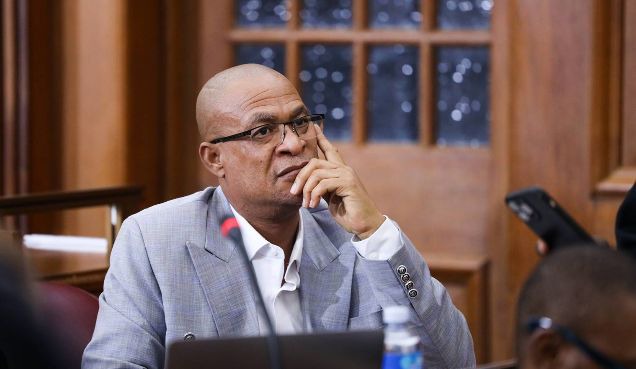
Former uMkhonto weSizwe (MK) Party leader Jabulani Khumalo has publicly raised concerns about Dr John Hlophe’s role in the party, stating that Hlophe should have resolved outstanding issues regarding his reputation before taking on a leadership position.
Khumalo’s comments emerge amid persistent internal tensions within the MK Party, which has come under increasing scrutiny over its leadership and strategic direction. In his remarks, Khumalo emphasized that public trust in political figures depends heavily on their personal integrity and standing. He maintained that individuals in leadership roles must avoid controversies that could divert attention from the party’s goals.
He pointed to Hlophe’s past legal and professional difficulties as ongoing sources of public debate, warning they could weaken efforts to build credibility with supporters. “Dr John Hlophe should have cleared his name before stepping into a leadership role in the MK Party,” Khumalo stated, underscoring transparency and accountability as vital traits for those in public office.
Hlophe, formerly the judge president of the Western Cape High Court, has remained a visible figure in South African politics since moving from the judiciary to active political engagement. His appointment within the MK Party drew mixed reactions—some welcomed his legal expertise, while others expressed concern over the unresolved controversies tied to his judicial tenure.
Khumalo’s critique adds to a growing number of public disagreements among senior MK Party figures. The party has recently grappled with internal rifts, leadership conflicts, and uncertainty about its future path as it attempts to consolidate its presence in the country’s evolving political environment.
Political observers have highlighted that leadership credibility is crucial for parties aiming to broaden their appeal. They note that public perceptions of honesty and ethical conduct significantly affect voter trust and can influence a party’s long-term viability.
To date, the MK Party has not released an official statement in response to Khumalo’s remarks. Nonetheless, the comments are expected to fuel further debate on governance, responsibility, and leadership standards within the organization.
As discussions unfold internally, the party must balance unity with addressing concerns voiced by both current members and former leaders. Khumalo’s intervention brings renewed attention to the expectations for leadership conduct and the broader challenges shaping the future of one of South Africa’s most prominent emerging political movements.


