

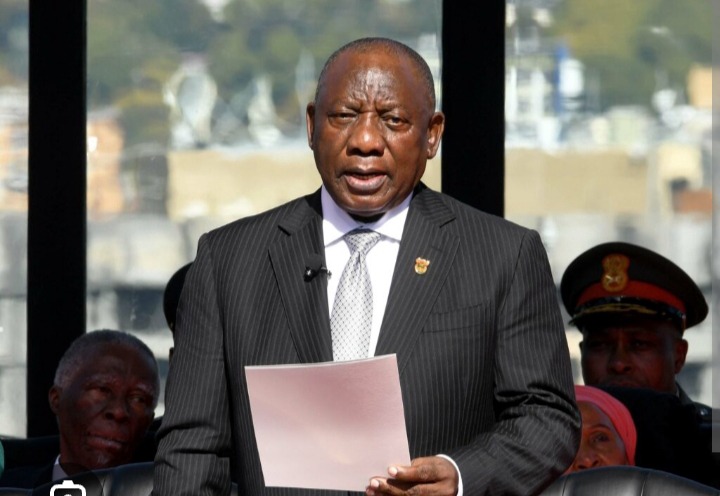
Addressing a packed crowd at the FNB Stadium for the national Youth Day commemoration, President Cyril Ramaphosa delivered a candid assessment of South Africa’s deep-rooted socio-economic crises, explicitly rejecting the political tendency to use foreign nationals as a scapegoat for systemic state failures.
The address, marking the 50th anniversary of the 1976 Soweto Uprising, confronted the rising populist rhetoric that has dominated the national discourse ahead of unauthorized community migration deadlines. While acknowledging the intense frustration of young South Africans facing record-high unemployment, Ramaphosa argued that blaming migration for the country’s structural problems is an easy distraction that delays real solutions.
While some people blame the problems of unemployment, crime, and poor service delivery on foreign nationals, our problems are our own,” President Ramaphosa told the crowd. “We must have the honesty to admit that our challenges are structural and internal. It is not foreign nationals who cause corruption in our municipalities, it is not foreign nationals who collapse our infrastructure, and it is not foreign nationals who fail to implement our economic policies. These are our own failures, and we must fix them ourselves.”
The President’s message stands in sharp contrast to the hardline “South Africa First” platforms championed by rival political figures during their own Youth Day events. Instead of promising mass expulsions, Ramaphosa focused heavily on internal state reforms, detailing the rollout of the Presidential Employment Stimulus and urging corporate employers to expand the Employment Tax Incentive (ETI) to give young people crucial workplace entry points.
By framing unemployment, crime, and infrastructure decay as internal governance challenges, the Presidency is attempting to lower the temperature in volatile township communities. Ramaphosa warned that turning inward and blaming neighbors would not build a single school, open a single clinic, or create a single sustainable job. He concluded by calling for a renewed focus on local accountability, urging the youth to demand better performance from their own elected leaders rather than allowing their frustrations to be redirected toward vulnerable migrant populations.


