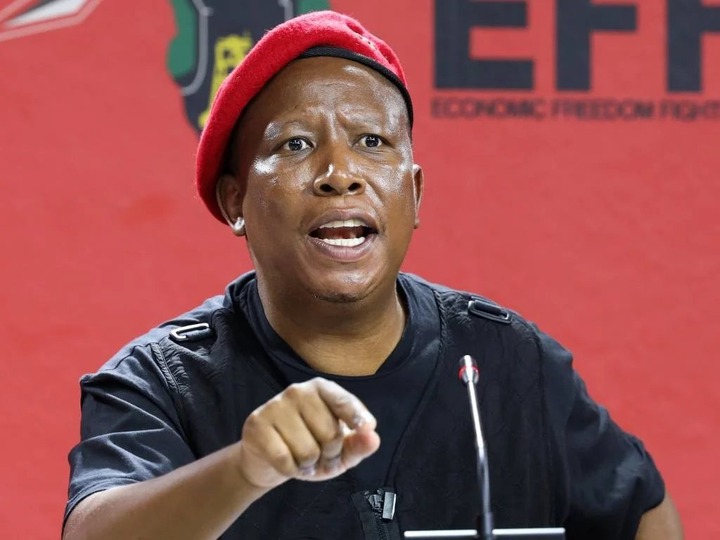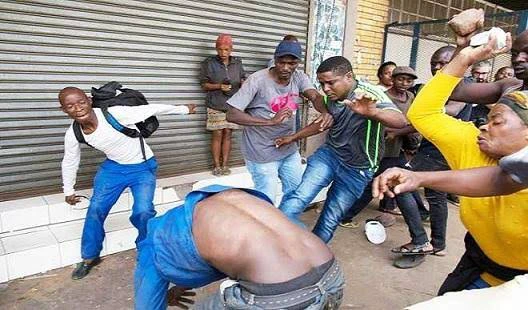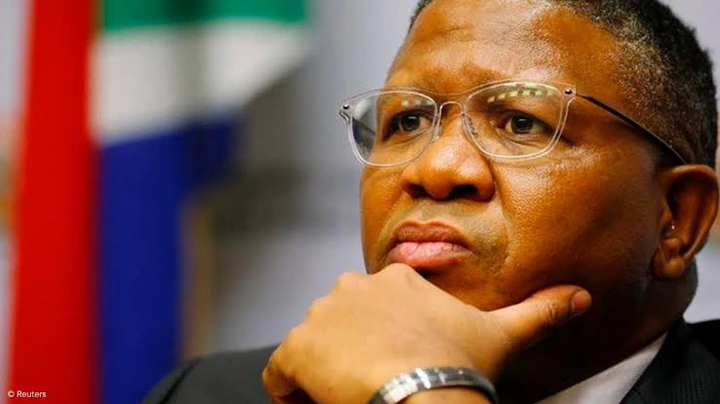
A vicious online battle has broken out in South Africa, dividing social media users over a divisive viral post about KwaZulu-Natal. In the middle of it all is public figure Mkhwanazi, who is taking a strong stand against the viral content and is receiving a lot of hate mail, and the outspoken provocateur Phakelumthakathi, who is getting a lot of praise for his passionate endorsement of it. A nation-wide flashpoint has been created by a single social media post, and the contrasting responses have exposed the profound ideological and cultural divisions within the province.
The controversial essay went viral because it addressed the unspoken, long-simmering cultural and socioeconomic issues of the people of KwaZulu-Natal and offered an unvarnished condemnation of the state’s leadership and its systematic negligence. Its scorching vocals reached thousands of people who feel disregarded by the powerful, and its rapid dissemination across time was a direct result of this.
But Mkhwanazi slammed the post as careless, polarising, and needlessly hostile in a public statement. According to him, the rhetoric in question posed a danger to the province’s stability and the efficacy of current initiatives to promote social harmony. The public, however, felt that civil conversation was unnecessary and responded violently to his measured institutional critique.Here we have Phakelumthakathi, a notoriously vicious critic of what he sees as institutional corruption on social media. His username, which translates to “expose the sorcerer”—reflects this tenacity. While Mkhwanazi condemned the viral tweet, Phakelumthakathi saw it as a much-needed and overdue burst of truth.
According to Phakelumthakathi, who lauded the author for their courage, the piece brilliantly captured the everyday struggles of the oppressed. As the vox populi, Phakelumthakathi has legitimised the masses’ wrath and framed criticism of the elite as a patriotic obligation by embracing the same rhetoric that Mkhwanazi denounced.South Africans’ perspectives on protest and accountability are drastically different as a result of the conflict between these two characters, which has sparked a deluge of debate. His detractors say that Mkhwanazi is an insensitive gatekeeper who would rather leave things as they are and stifle opposition voices than help the people in their real suffering.
Opponents of Phakelumthakathi, on the other hand, say that the celebration of such inflammatory rhetoric is a recipe for real-life bloodshed and increased division in an already volatile area. Now that the viral article has become a weapon, both camps are using it to further their ideas for KZN’s future in the heated online battleground.At its core, this drama is about a province and a nation dealing with severe disappointment; it’s not just about one popular post.
There is a concerning decline in faith in traditional authority when Phakelumthakathi’s cheers for revolt overshadow Mkhwanazi’s pleas for moderation. When the internet smoke clears, the KZN leadership would be irresponsible to turn a blind eye to the simmering anger that caused the post to go viral. There will be no relief from the growing chasm between supporters and detractors until the underlying problems that are causing this animosity are dealt with seriously.