

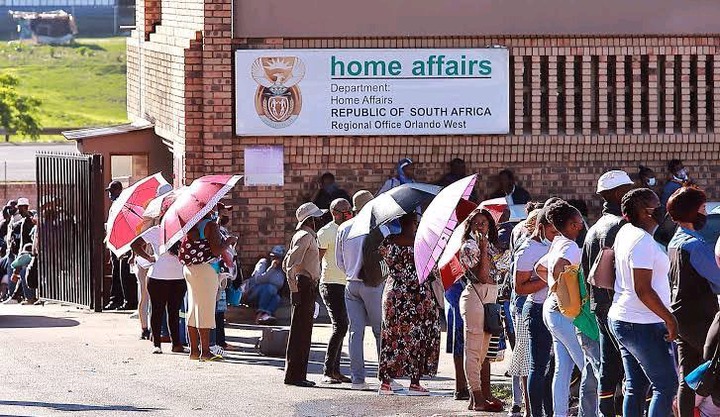
South Africa’s asylum system is facing mounting pressure as the Department of Home Affairs revealed that the country’s refugee status determination backlog has reached approximately 161,000 unresolved cases. The disclosure was made during a briefing to Parliament’s Portfolio Committee on Home Affairs, highlighting severe administrative strain and concerns over the misuse of immigration processes.
The report comes at a time of growing public debate surrounding immigration policy and border management. Civil society groups and political organizations have increasingly called for stricter immigration reforms, arguing that delays within the asylum system are contributing to social and economic tensions across the country.
According to figures presented by a senior Home Affairs official, Ethiopian nationals currently represent the largest portion of the backlog, with about 24,000 active applications and 17,000 inactive cases still awaiting resolution. Authorities also raised concerns regarding alleged fraudulent immigration practices involving Bangladeshi nationals. Officials claim that some individuals are entering marriages of convenience with South African citizens to secure residency permits and business visas unlawfully.
The department further revealed that approximately 84% of active appellants in the asylum backlog are working-age men. This statistic has intensified criticism from labor groups and community organizations that believe the asylum system is increasingly being used for economic migration rather than humanitarian protection.
The crisis has worsened following the withdrawal of support from the United Nations High Commissioner for Refugees (UNHCR), which ended its joint backlog-reduction project with South Africa in 2023. The loss of funding and legal support has significantly reduced the department’s ability to process applications efficiently.
A Home Affairs official stated: “Our asylum framework is under immense, unsustainable pressure. When 84% of your applicants are working-age men, and we see widespread fraudulent marriages used to bypass corporate permit laws, it becomes clear that this is an economic migration issue masking itself as a refugee crisis.”
In response, the Government of National Unity is under increasing pressure to accelerate immigration reforms, including the proposed Omnibus Migration Bill. Authorities are also expanding immigration audits and strengthening fraud investigations. While the government maintains that legitimate asylum seekers will continue to receive constitutional protection, officials say stricter enforcement measures will target fraudulent applications and unlawful immigration activities.


