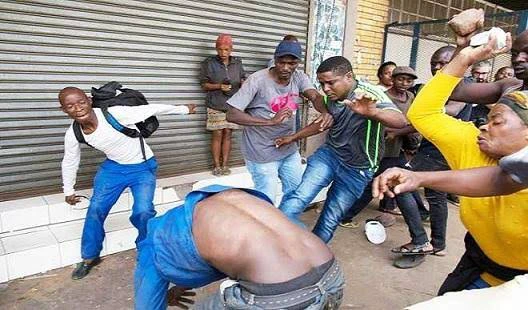

A heated debate on the African Renaissance Podcast has sparked a major conversation across South Africa, drawing sharp battle lines between political figures and captivating social media users. The intense exchange centered on the March and March Movement, a group known for organizing protests against illegal immigration, exposing a deep rift in how different public figures view the country’s socio-economic challenges.
The confrontation unfolded during an episode broadcast on May 8, 2026. Mbuyiseni Ndlozi, a prominent political figure, open criticized the anti-illegal immigration marches, questioning their methods and impact. His critique was quickly met with a strong counter-argument from fellow guest Jacinta Ngobese-Zuma. She strongly defended the demonstrations, arguing that the street protests serve as a crucial tool for highlighting deep-seated worries about local crime. According to Ngobese-Zuma, these are pressing issues affecting regular citizens that wealthy political commentators and elite critics have overlooked for a long time.
Dr Ndlozi says March and March is protests about Spaza shops.
– This is a short sighted, selective and elitist view of what the protests have achieved.
– Protests have exposed drug dealers, hijacked buildings, human trafficking & littering.
Why not invite Jacinta to your… pic.twitter.com/eQh1HDwLRt— SimplyEXT (@SimplyEXT) May 18, 2026
This public clash highlights a much broader, ongoing debate within the country regarding community safety, immigration, and social stability. The discussion echoes earlier warnings from media personality Gareth Cliff, who previously pointed out that severe economic pressures and social strain are driving these grassroots movements, warning that the divide between the political leadership and ordinary citizens poses a genuine threat to social order.
Following the podcast’s release, social media platforms lit up with reactions from a highly divided public. Some internet users voiced agreement with Ndlozi, viewing the anti-immigration marches as divisive and counterproductive to the nation’s well-being. Conversely, a large faction supported Ngobese-Zuma, framing her remarks as a necessary defense of the working class and their daily safety concerns. As the conversation continues to dominate news cycles, the exchange has clearly pushed these complicated, sensitive questions about local security and political representation back into the national spotlight.