

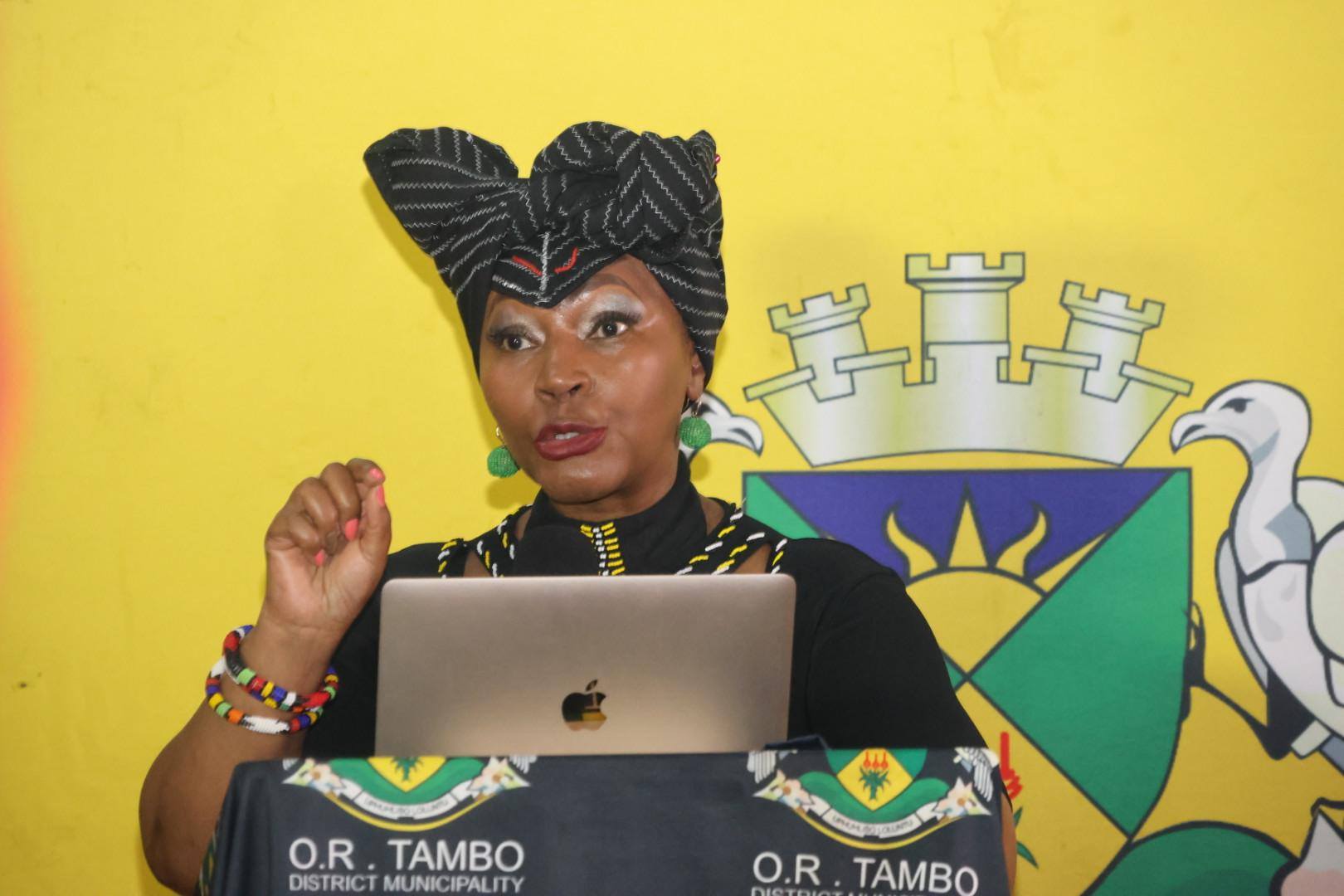
Foreign nationals entering South Africa must adhere to correct legal procedures based on their reasons for arriving, according to Palesa Ncholo, who has chimed in on the country’s continuing immigration controversy.
In light of the increasing national discourse surrounding illegal immigration, border control, and asylum procedures, Ncholo emphasised the importance of immediate registration for asylum for those seeking refugee protection upon arrival in the nation, while directing economic migrants to apply through the Department of Home Affairs.
Ncholo claims that the inability to differentiate between refugees escaping danger and economic migrants in search of better chances is exacerbating South Africa’s immigration problems.
She emphasised that individuals seeking refugee status should be registered upon arrival, while those seeking economic empowerment should be directed to home affairs.
Her comments arrive as South Africa is still reeling from mounting public anger over issues including crime, unemployment, public service strain, and illegal immigration. With more and more people demanding more border control and more regulations for unauthorised migrants, immigration has emerged as a very contentious subject in the country.
Asylum seekers in South Africa must go through official refugee reception offices to apply for refugee status, according to the legislation. In the meanwhile, economic migrants are required to lawfully work or settle in the country by obtaining the necessary visas or permissions via the Department of Home Affairs.
Online discussion has ensued over Ncholo’s remarks; numerous South Africans have voiced their agreement that stricter immigration enforcement and better refugee system administration are necessary. Advocates contend that safeguarding national security and the rights of authorised migrants necessitates accurate paperwork.
On the other hand, some people have said that when people talk about immigration, they shouldn’t generalise about foreigners or make people hate refugees and legal migrants. The dangers of using language that promotes bigotry or prejudice have been voiced time and time again by human rights organisations.
South Africa’s constitutional safeguards and relatively developed economy make it a popular destination for migrants, asylum seekers, and refugees on the African continent. Backlogs, administrative failings, and accusations of corruption have all cast a shadow on the country’s asylum system.
Public opinion in the nation is still deeply divided, and Ncholo’s intervention brings a new legal and constitutional viewpoint to the table.


