

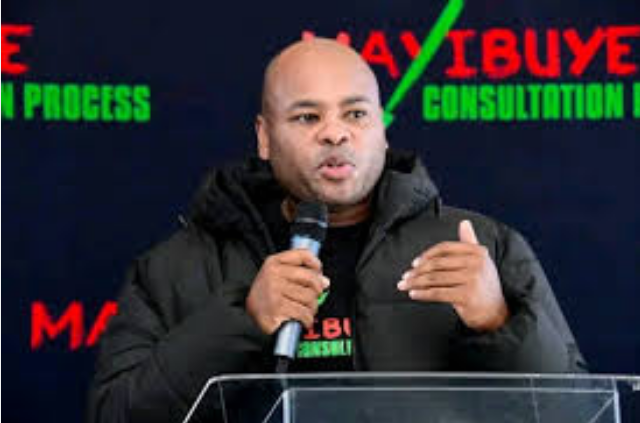
The formation of the Afrika Mayibuye Movement marks a significant development in South Africa’s political landscape, following a period of extensive consultation. According to spokesperson Sidney Baloyi, the entire process was characterized by a genuine and open-minded approach from the outset. He stressed that the movement’s leadership did not enter the consultations with a predetermined outcome, stating, “We were completely open-minded about it.” This commitment to true dialogue was demonstrated through widespread engagement across the country. The movement’s representatives held numerous meetings with a diverse range of stakeholders, including community members, traditional leaders, youth groups, and various other organizations, with the sole purpose of understanding the needs and desires of the South African populace.
This comprehensive consultation was designed as a profound listening exercise, aiming to answer a fundamental question: does South Africa truly need another political movement? Baloyi affirmed that the leadership was deeply committed to incorporating a multitude of voices, ensuring that the new organization would be built from the ground up based on the public’s needs, rather than a pre-established political agenda. This approach sought to distinguish the Afrika Mayibuye Movement from existing political entities, many of which have been criticized for losing touch with the people they are meant to serve.
WATCH | Spokesperson for the newly formed Afrika Mayibuye Movement, Sidney Baloyi, says they didn't go into the consultation process in June with a predetermined outcome in mind. "We were completely open-minded about it." pic.twitter.com/vdq51Nsp8S
— SABC News (@SABCNews) September 6, 2025
Following the successful completion of these consultations, the group made the strategic decision to formalize its structure and transition into a full-fledged political party. Now officially named the Afrika Mayibuye Movement, it has set its sights on contesting the 2026 local government elections and subsequent national elections. The party’s platform is designed to tackle persistent and critical issues, including chronic unemployment, pervasive poverty, systemic inequality, and the contentious issue of land reform. The movement presents itself as a distinct alternative to the established political parties in which a growing number of South Africans have expressed a lack of confidence.
Baloyi emphasized that the new party’s core tenets are unity, transparency, and the pursuit of tangible change. The movement is committed to an unwavering fight against corruption and the promotion of social justice, economic freedom, and robust community participation. The decision to establish a political party was not an arbitrary one; it was a clear and deliberate response to a direct mandate from the people engaged during the consultation process. The Afrika Mayibuye Movement intends to maintain this high level of public engagement as it expands, vowing to ensure that the voices of ordinary South Africans continue to shape its policies and actions. This inclusive and dialogue-driven promise positions the group as a fresh and potentially impactful contender in South Africa’s evolving political arena.


