

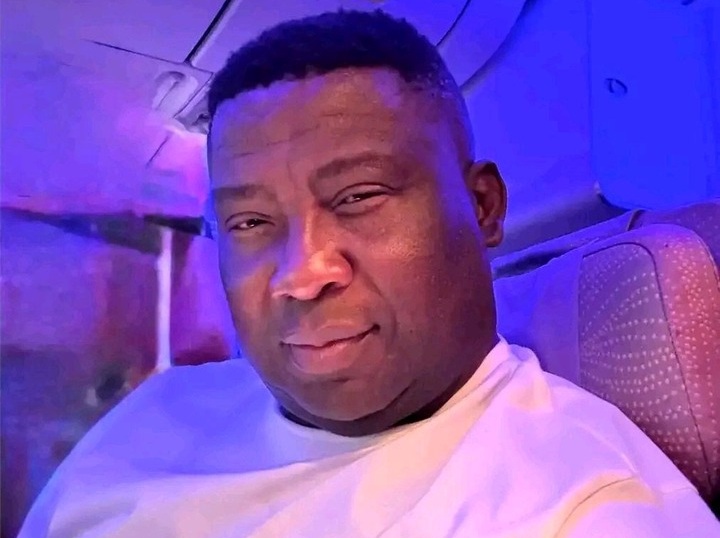
Lucky Nkosi, a former host at Ukhozi FM, has caused much discussion after he disclosed that he was supposedly fired from the station in a manner that he described as being abrupt and disrespectful. The procedure was handled over the phone.
While Nkosi was being interviewed by Baba Maswidi on iZwi loMzansi 98.0 FM, he provided an explanation of the events behind his departure from the South African Broadcasting Corporation (SABC). He stated that he was told of his dismissal over a virtual phone meeting.
According to him, the conversation abruptly came to an end when he enquired about the rationale behind the decision and sought for clarification on the matter. Nkosi claims that management later explained the interruption by saying that it was caused by “network problems,” but he feels that this was done in order to avoid answering his enquiries further.
According to Nkosi, who has been with the South African Broadcasting Corporation (SABC) since 2004 and has become a well-known voice through programs such as iNgcwenga and Ezingasoze Zabuna, he was surprised by the manner in which the situation was handled after many years of service. As time went on, he established a solid reputation and a community of devoted listeners, eventually becoming one of the most identifiable personalities on Ukhozi FM.
His narrative has rekindled the debate around workplace justice and the manner in which media firms manage terminations of employment, particularly for employees who have been with the company for a long time. There have been some observers and listeners in the industry who have questioned whether or not it is proper to discuss choices of this nature through a phone call.
Despite the fact that Nkosi would not clarify whether he was provided with official written grounds for his dismissal, he did suggest that the process was not transparent and that he was not provided with an appropriate opportunity to reply or dispute the decision.
As a result of the charges, broader issues have been expressed regarding governance and accountability within public broadcasting institutions. Some supporters have called for human resources policies that are more transparent and unambiguous.
Although the South African Broadcasting Corporation has not yet provided a public response to Nkosi’s allegations, the situation has elicited significant reactions from audiences who are upset with the manner in which he claims he was treated.
Generally speaking, the episode has contributed to the continuing discussions that are taking place within the media sector of South Africa around issues of justice, communication, and respect for experienced broadcasters. In spite of the controversy, Nkosi continues to be a recognised figure in the radio industry, and many of his admirers are holding out hope that he will return to reporting in the near future.


