

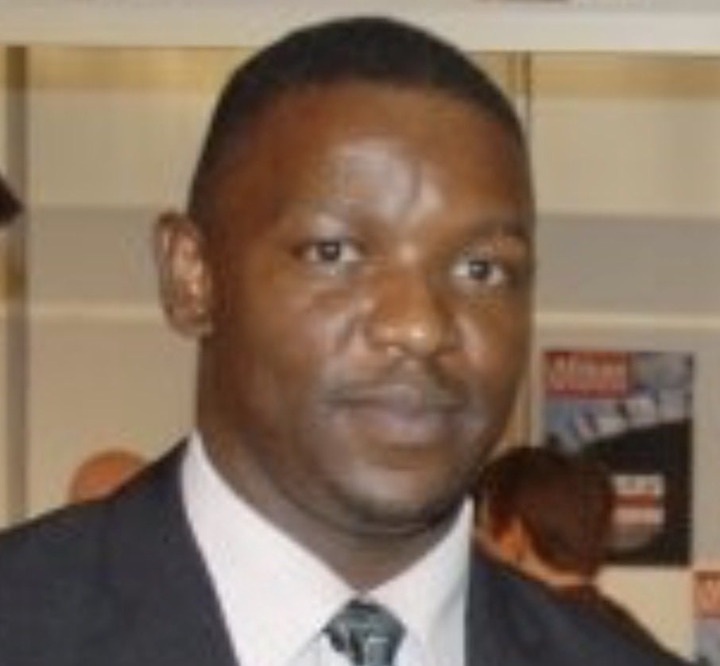
The fatal shooting of Andrew Nkosi in early 2024 was initially reported as a tragic loss of a public servant, but as details emerge, his death is increasingly viewed through the lens of a chilling cover-up. Nkosi, who served as the Deputy Director in the office of the Mpumalanga Premier, was gunned down at a time when he was reportedly linked to sensitive investigations. His murder adds a violent, human cost to the narrative of corruption that has long plagued the province’s administration.
At the center of the controversy surrounding Nkosi’s work was the Premier’s Youth Fund, a multi-million rand initiative meant to empower young people. Instead, the fund became a subject of intense scrutiny over allegations of corruption, misrepresentation, and bogus qualifications. As a high-ranking official in the Premier’s office, Nkosi was positioned squarely within the machinery being used to investigate or perhaps expose these financial irregularities. His role placed him in the direct line of fire of those seeking to hide the truth.
The stakes were raised significantly by concurrent investigations into the Mpumalanga Department of Education. Authorities were actively uncovering a massive R114 million fraud scheme within the department at the exact time of Nkosi’s attack. The convergence of these two major probes one into the youth fund and the other into education fraud suggests that Nkosi possessed knowledge that was dangerous to powerful interests. The timing implies that his killing was not random, but rather a strategic move to obstruct justice.
The death of a whistleblower or key witness is the ultimate tool of obstruction in white-collar crime. By silencing Nkosi, the perpetrators aimed to sever a critical link in the chain of evidence connecting the misuse of public funds to specific individuals. It transforms a case of financial mismanagement into a matter of life and death, signaling a terrifying escalation where corruption is protected with violence.
As the dust settles on the initial shock of his murder, the focus must turn to ensuring that Nkosi’s death was not in vain. The investigations into the R114 million education scandal and the Youth Fund irregularities must continue with renewed vigor. If his shooting was indeed an attempt to bury the truth, then the only way to honor his memory is to ensure that the full extent of the corruption is brought to light, regardless of where the evidence leads.


