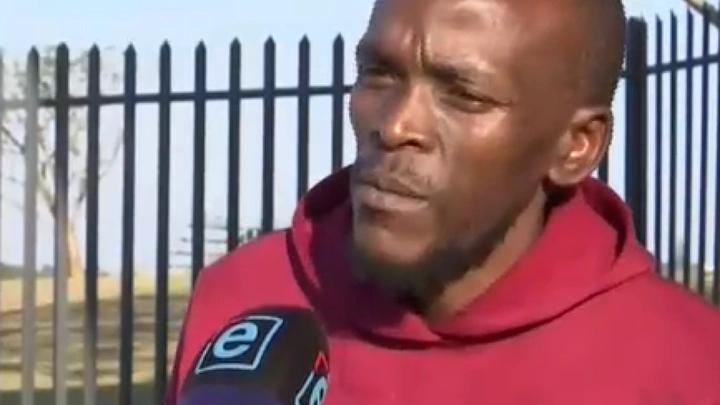

South Africans have been weighing in after details of Julius Makhwanazi’s income came to light during his recent bail hearing, sparking a mix of surprise, frustration, and reflection online.
It was revealed in court that Makhwanazi earns a take-home salary of around R65,000 a month, a figure many people say would go a long way in securing a comfortable life. For some, the amount represents financial stability in a country where many are still struggling to make ends meet.
On social media, reactions came in quickly. A number of users expressed disbelief, questioning how someone with that level of income could still end up facing serious legal trouble. Others pointed out that with careful planning, such a salary could support a family, cover expenses, and still leave room for savings.
At the same time, some voices urged caution against quick judgment. They noted that financial pressures can vary widely, and a higher income does not always mean fewer problems. Lifestyle demands, debt, and personal circumstances can all play a role in how far money actually stretches.
Still, a large portion of the conversation centred on accountability. Many felt that Makhwanazi had an opportunity to build a stable life but may have made decisions that led him down a different path.
As the case continues, the public response reflects a broader conversation not just about one individual, but about financial choices, responsibility, and how quickly things can change, regardless of income.