

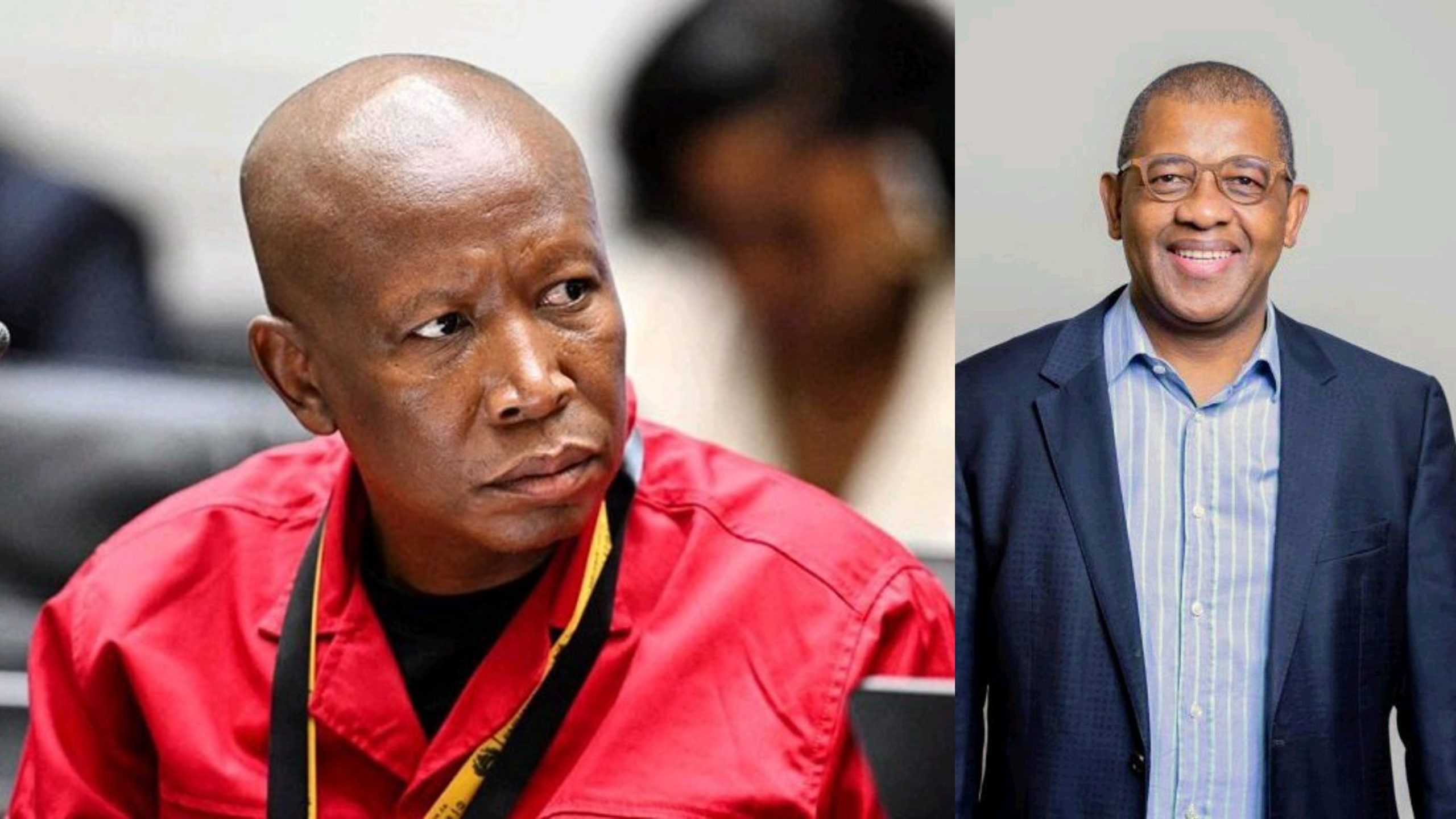
Court capacity, case management, and the handling of high-profile cases in South Africa are some areas where Dali Mpofu has voiced his discontent with the administration of the Julius Malema judicial processes.
According to Dali Mpofu’s strongly worded statement, the offender should not be held responsible for systemic inefficiencies in the justice system. The accused could not be held responsible for the court building overcrowding, according to Mpofu.He went on to say that the state might have thought about moving the case to a less crowded court, such the High Court, to minimise administrative work and save time.The severe nature of the charges and the high profile of the accused have subjected the Julius Malema case to immense public and political scrutiny, which has led to these remarks.
According to Dali Mpofu, the people who end up in court shouldn’t have to pay for the systemic problems with the justice system.As is typical in trials involving prominent South African politicians, his comments have stoked the flames of the continuing controversy about scheduling and courtroom capacity.
South African “justice” can sometimes make you cry!How can an accused person who did not prosecute himself be blamed for the congestion of a court building??😭😭
Why didn’t the State transfer the matter to the High Court or some other venue which is not busy?🤷🏾♀️🤷🏾♀️#MustAppeal
— Dali Mpofu (@AdvDali_Mpofu) April 16, 2026
Nationwide, advocates and detractors of Julius Malema’s case have stoked passionate debate over the case’s validity and wider implications for political accountability.As the matter progresses through the court system, the defence team has made it clear that they intend to explore other legal options, including an appeal.Concern among South African legal experts about the capacity of the courts to handle high-profile, politically-charged cases is evident in the continuing debate over Dali Mpofu’s remarks.


