

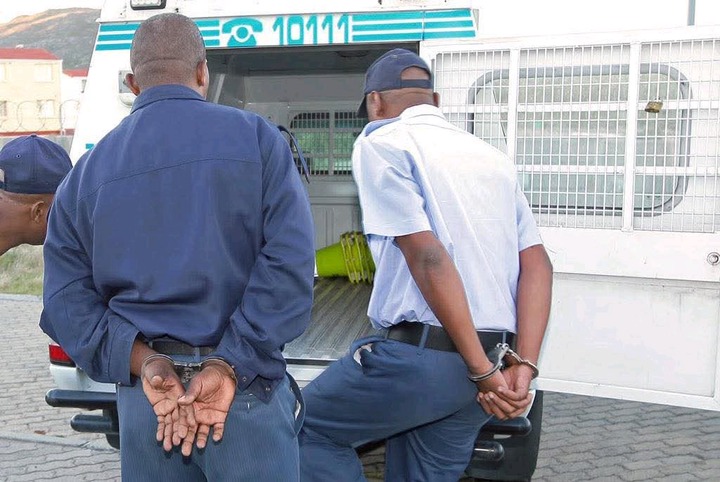
A suspected wildlife trafficking operation has been uncovered after a police administrative clerk and a 36-year-old accomplice appeared in court for allegedly attempting to sell four stolen lion cubs for R100,000 each, raising alarm over conservation risks and breaches of public trust.
According to authorities, the suspects were arrested following a covert operation initiated after intelligence reports pointed to an imminent illegal sale. The pair allegedly negotiated a deal worth R400,000 for the cubs, which are believed to have been unlawfully removed from a protected or natural environment.
The involvement of a staff member linked to the South African Police Service has intensified concern around the case. While administrative personnel are not sworn officers, they operate within the law enforcement system, and investigators are now examining whether the suspect may have used insider access or knowledge to facilitate the alleged crime.
The four cubs have since been rescued and placed under the care of wildlife authorities. Experts say they will undergo medical evaluation and rehabilitation, warning that early separation from their natural habitat can severely affect their development and survival chances.
The accused made their initial court appearance earlier this week and are expected to face charges related to possession of stolen property and violations of wildlife protection legislation. The matter has been postponed to allow for further investigation.
Conservationists say the case highlights the growing threat posed by wildlife trafficking, which is often driven by high demand for exotic animals and linked to organised criminal networks. The illegal trade not only endangers individual animals but also undermines broader conservation efforts aimed at protecting vulnerable species.
Authorities have reiterated their commitment to tackling wildlife crime, calling on members of the public to report suspicious activities. As investigations continue, the case serves as a stark reminder of the ongoing challenges in safeguarding South Africa’s natural heritage and the need for vigilance across all sectors of society.


