

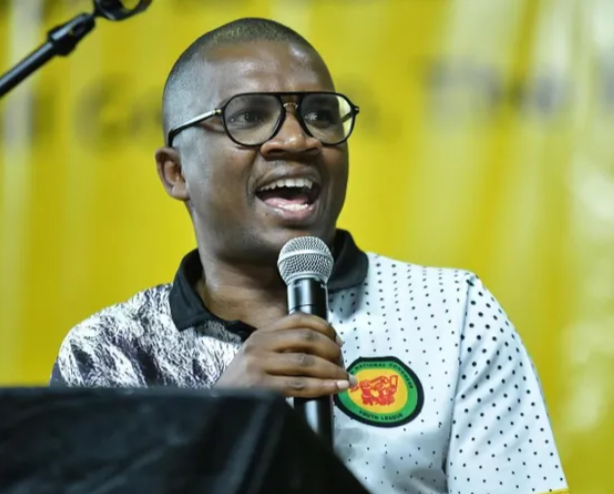
Tensions within South Africa’s alliance politics escalated this week as Collen Malatji launched a sharp rebuke against Solly Mapaila, declaring that no individual holds ownership over the South African Communist Party or its historic legacy.
Speaking with firm conviction, Malatji stated: “Solly doesn’t own the SACP and comrade Chris Hani, he must go and form his own party and contest the elections.” The remarks signal a deepening rift between the African National Congress Youth League (ANCYL) and the SACP leadership, particularly over ideological direction and political influence within the broader alliance.
Malatji’s comments come amid growing frustration among youth structures of the African National Congress, who accuse certain SACP leaders of positioning themselves as gatekeepers of the party’s legacy while allegedly drifting from its founding principles. By invoking Chris Hani — a revered anti-apartheid icon and former SACP leader — Malatji underscored what he views as an attempt to monopolize struggle credentials for political leverage.
The ANCYL president argued that the SACP belongs to its members and the broader working-class constituency it was built to serve, not to any single leader or faction. He suggested that if Mapaila or others wish to pursue a distinct political path, they should do so independently through electoral contestation rather than relying on alliance structures.
Political analysts say the statement reflects underlying tensions about the future of the tripartite alliance, particularly as debates intensify over policy direction, economic transformation, and electoral strategy ahead of upcoming polls. The SACP has, in recent years, hinted at the possibility of contesting elections independently — a move that could significantly reshape South Africa’s political landscape.
While Mapaila has not directly responded to Malatji’s latest remarks, previous statements from the SACP leadership have emphasized the party’s commitment to defending its ideological stance and maintaining its influence within the alliance.
Malatji’s intervention is likely to resonate among younger party members who are increasingly vocal about leadership accountability and ideological clarity. However, it also risks widening divisions within the alliance at a time when unity is seen as crucial to maintaining political stability and electoral strength.
As internal debates continue, the question remains whether these tensions will lead to constructive engagement or further fragmentation within one of South Africa’s most historically significant political partnerships.


