

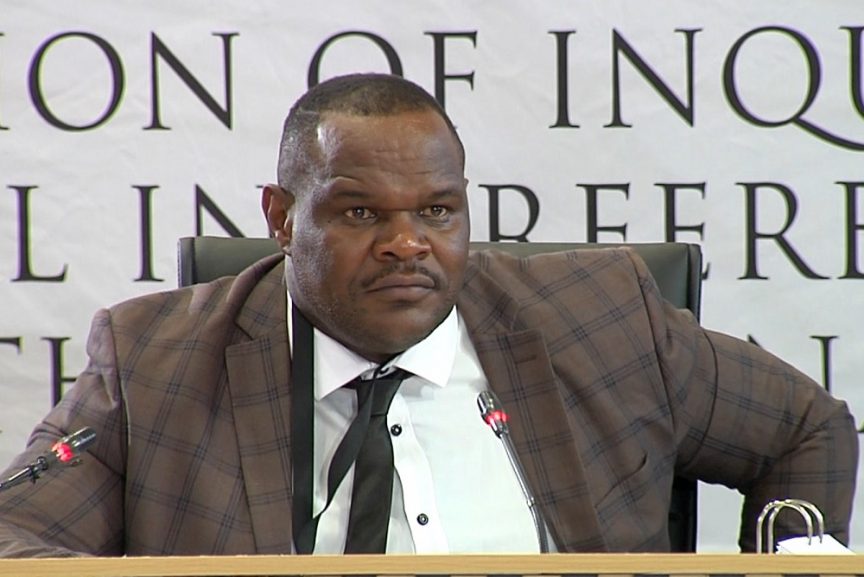
A Gauteng-based police officer attached to the Organised Crime Unit, Sergeant Fannie Nkosi, is now facing a fast-tracked internal disciplinary process after his testimony before the Madlanga Commission of Inquiry sent shockwaves through law enforcement circles.
The disciplinary action, instituted under Regulation 9 of the South African Police Service (SAPS) Discipline Regulations, comes in the wake of Nkosi’s multi-day appearance before the commission, where he presented sensitive information linked to alleged corruption, political interference, and irregular dealings within the criminal justice system.
During his testimony, Nkosi admitted to sharing confidential SAPS documents—including internal emails, audit reports, and bidder lists—with individuals outside of the police service. Among those reportedly connected to the shared information are controversial businessman Vusimuzi “Cat” Matlala and entrepreneur Steve Motsumi.
The commission also heard evidence relating to Nkosi’s alleged communication with Katiso “KT” Molefe, including CCTV footage reportedly obtained from Molefe’s residence. These interactions have raised further concerns about the handling of classified police information and the potential compromise of ongoing investigations.
Central to the inquiry are allegations of tender irregularities in Tshwane, with questions being raised about procurement processes and whether internal police information may have been improperly used to benefit certain individuals or entities.
SAPS has confirmed that the disciplinary proceedings against Nkosi will be conducted on an expedited basis, signaling the seriousness with which the institution is treating the matter. Regulation 9 allows for swift action in cases where misconduct is deemed severe and potentially damaging to the integrity of the police service.
The developments have intensified scrutiny on internal controls within SAPS, particularly regarding the safeguarding of sensitive information and the conduct of officers operating within high-risk units such as organised crime.
The Madlanga Commission of Inquiry continues its work, with more witnesses expected to testify in the coming weeks as it seeks to uncover the depth of alleged corruption and interference within South Africa’s law enforcement and political systems.


