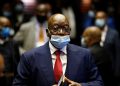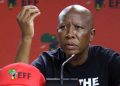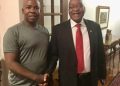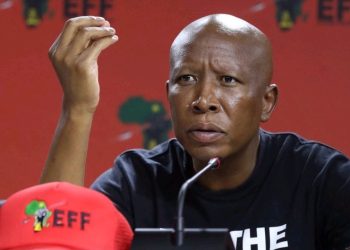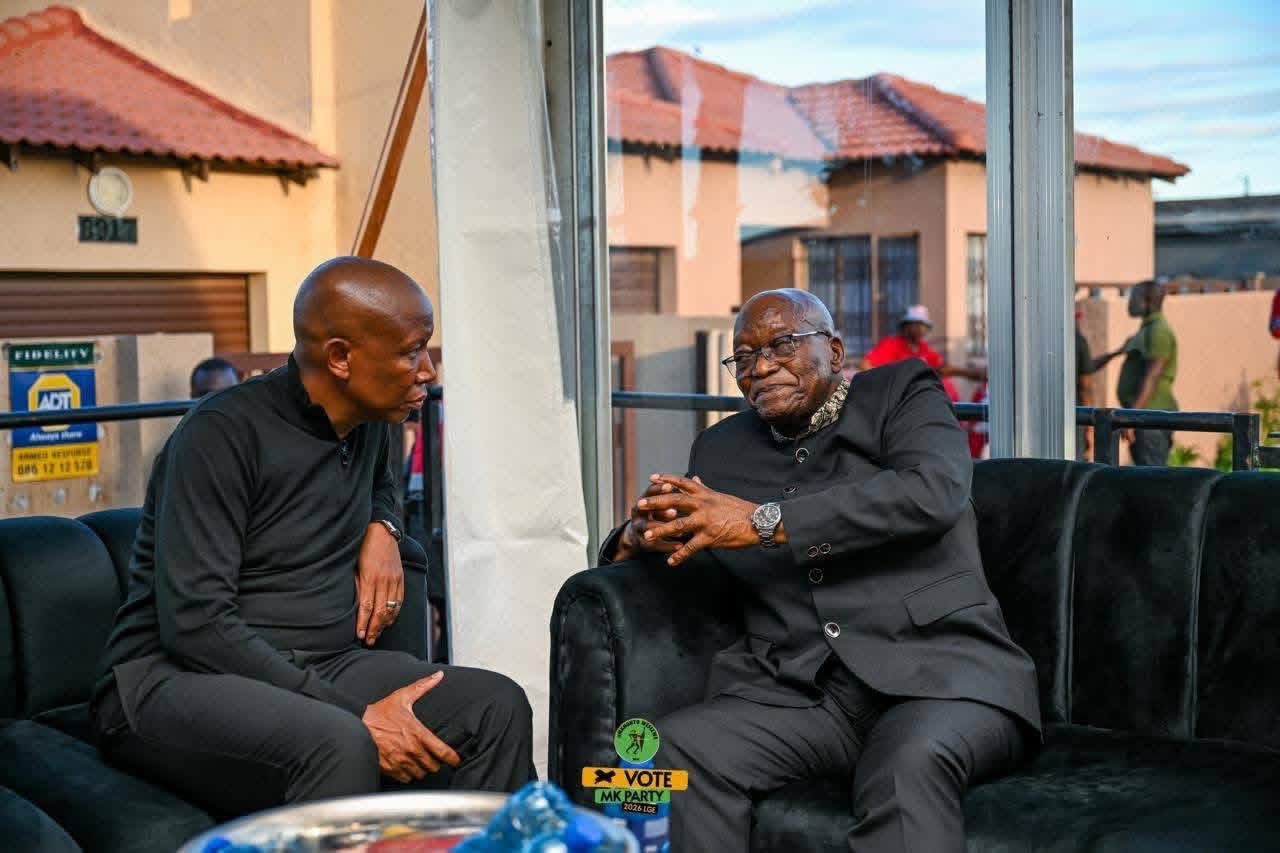
In an unusual moment of reflection, Julius Malema has openly acknowledged the resilience and political maturity of former President Jacob Zuma, drawing widespread attention across South Africa.
Speaking at a recent event, the Economic Freedom Fighters leader admitted that his party and others had taken strong and often controversial actions against Zuma in the past.
Despite this, Malema expressed admiration for Zuma’s ability to rise above political tensions, especially in moments of mourning and national unity.
Malema candidly noted that although significant actions were taken against Zuma, he continues to show up to offer condolences, which he described as a sign of remarkable political maturity.
His remarks come amid a highly polarized political climate, where rival parties frequently clash.
Analysts see the statement as both a moment of honesty and a subtle appeal for more respectful engagement among political leaders.
Despite facing numerous legal and political challenges, Jacob Zuma still commands strong support.
His consistent presence at funerals and cross-party events has reinforced his image as someone who values respect, tradition, and unity during difficult times.
Observers suggest that Malema’s comments may hint at a slight shift toward a more conciliatory tone in public discourse.
While relations between the EFF and Zuma’s allies have often been tense, such acknowledgment shows that mutual respect can exist even amid deep political divisions.
Public reaction has been mixed. Some see Malema’s remarks as genuine recognition of character, while others interpret them as a calculated political move.
Regardless, the moment highlights an important aspect of leadership: beyond disagreements and rivalry, gestures of empathy and respect can leave a lasting impact.
As South Africa navigates ongoing challenges, such displays of maturity may remind citizens of the values that bring people together.
Whether this signals a broader change in political tone remains uncertain, but Malema’s statement has undoubtedly added a new layer to discussions around leadership and accountability in the country.