

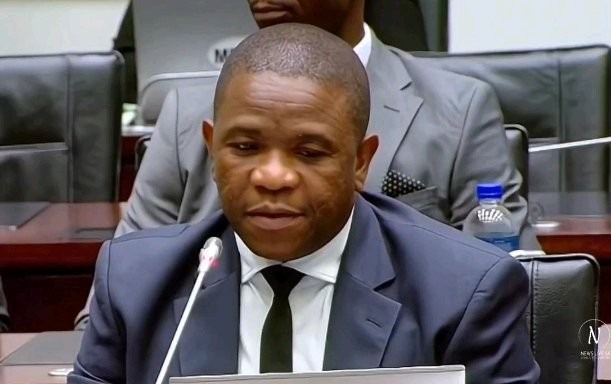
A statement by has stirred widespread debate across South Africa, drawing attention to both the realities of leadership and the risks embedded within law enforcement structures. In remarks shared with close associates, Mkhwanazi reflected on mortality, stating that death is inevitable and expressing little personal fear of it. However, his comments took a sharper tone when he referenced individuals who “might be planning something,” urging that they act quickly if they intend to do so.
The statement has been interpreted by analysts as more than a philosophical reflection. Given Mkhwanazi’s senior role within the South African Police Service, observers believe his words carry an implicit warning directed at those involved in corruption, criminal networks, or internal subversion. His remarks suggest a heightened awareness within law enforcement circles of potential threats, both from outside forces and within institutional ranks.
This comes amid ongoing scrutiny of public institutions in South Africa, where concerns around accountability and integrity continue to dominate national discourse. Experts argue that Mkhwanazi’s tone reflects a dual message: an acceptance of personal vulnerability, paired with a firm declaration that wrongdoing will ultimately be exposed.
Public reaction has been mixed. While some citizens view the statement as a candid acknowledgment of life’s fragility, others see it as a veiled caution aimed at individuals operating in secrecy. The ambiguity of the message has fueled its impact, allowing it to resonate across different audiences.
Ultimately, Mkhwanazi’s remarks underscore the complex environment in which senior law enforcement officials operate—one defined by constant risk, moral responsibility, and the ever-present awareness of mortality.


