

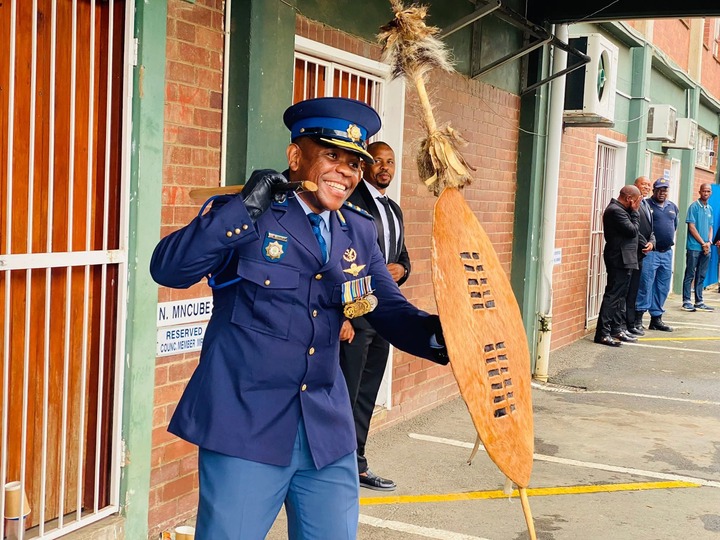
Fannie Masemola has sparked controversy after refusing to arrest Nhlanhla Mkhwanazi, despite serious allegations connecting him to a criminal case involving kidnapping, torture, and arson. The decision has reignited public debate about accountability, justice, and the role of senior officials in cases involving fellow high-ranking law enforcement personnel.
According to sources, the allegations against Mkhwanazi stem from an incident in which individuals were reportedly abducted and subjected to extreme physical abuse, with some property allegedly set on fire. The case has been under investigation, drawing national attention due to the prominence of the people involved and the severity of the claims.
Masemola, who holds significant authority in law enforcement decision-making, explained that her decision not to arrest Mkhwanazi was based on legal and procedural considerations. However, critics argue that her stance undermines public trust, suggesting that senior officers are treated differently compared to ordinary citizens when facing criminal allegations.
Legal experts observing the situation say that while procedural protocols are important, the perception of impartiality is equally critical in maintaining confidence in South Africa’s justice system. When allegations involve senior officials, the public expects transparency and swift action, particularly in cases involving crimes as serious as kidnapping, torture, and arson.
The refusal to arrest Mkhwanazi has prompted widespread discussion among civil society groups, advocacy organisations, and political leaders. Many are calling for a thorough, independent investigation into the allegations to ensure that justice is served and that no individual is above the law.
Observers also note that the decision could have wider implications for law enforcement credibility. If senior officers are perceived to be shielded from accountability, it may embolden misconduct within the ranks and weaken community trust in policing institutions.
As the case continues to unfold, the spotlight remains on both Masemola’s rationale for her decision and the ongoing investigations into Mkhwanazi’s alleged involvement. Citizens, advocacy groups, and the media are all closely monitoring developments, emphasising the importance of transparency, justice, and equal treatment under the law.
With public scrutiny intensifying, the situation underscores the broader challenges South Africa faces in balancing procedural justice with accountability, particularly when high-ranking officials are implicated in serious crimes.


