

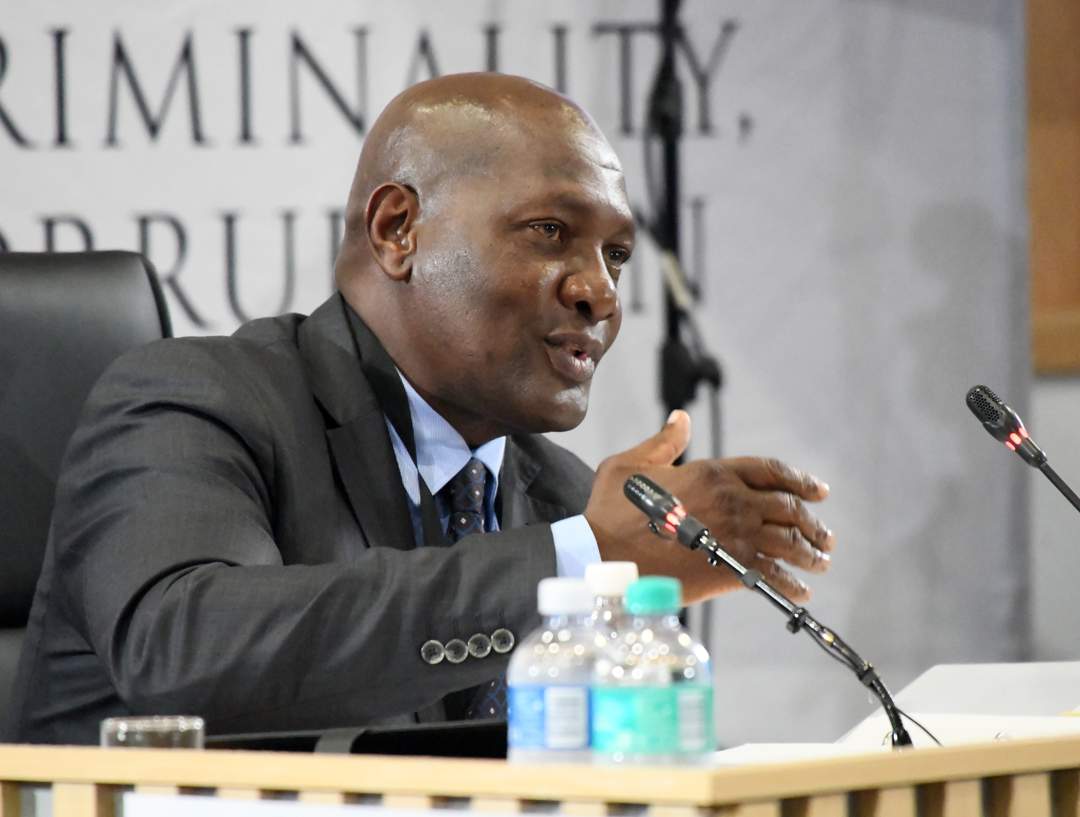
General Shibiri came under intense scrutiny after he denied claiming that Shadrack Sibiya maintained a close relationship with Julius Malema, only to be confronted with a recording suggesting otherwise.
During proceedings this week, Shibiri initially dismissed reports of such a statement, insisting he had never made claims connecting Sibiya, a senior police official, with the EFF leader. The denial was intended to clarify his position amid ongoing discussions about political influence and perceived connections between law enforcement and opposition figures.
However, commissioners or investigators presented a recording in which Shibiri appeared to reference the relationship between Sibiya and Malema, contradicting his earlier assertions. The recording has become a focal point in the proceedings, raising questions about credibility, memory, and transparency in testimony from senior officials.
Observers note that the matter is particularly sensitive given the public’s concern about political interference in state institutions. While Shibiri has yet to offer a detailed explanation reconciling his denial with the recording, legal analysts suggest that such discrepancies can undermine confidence in official testimony and complicate inquiries into institutional integrity.
The proceedings are expected to continue, with the commission likely to probe the context of Shibiri’s statements, the timing and purpose of the recording, and any implications for the alleged closeness between Sibiya and Malema.
Political commentators say this episode underscores the challenges faced in maintaining accountability and trust within public institutions. They emphasize that transparency and consistent communication are critical, particularly when senior figures are implicated in politically sensitive matters.
The outcome of this confrontation may have broader implications for how allegations of political influence within law enforcement are investigated and perceived by the public.


