

Political commentary intensified after Paul O’Sullivan walked out of Ad Hoc Committee proceedings following a tense exchange involving David Skosana, a member of the uMkhonto we Sizwe Party.
The incident reportedly unfolded when Skosana attempted to stop O’Sullivan from exiting the chamber, creating a heated atmosphere inside the committee room. Witnesses described the moment as highly charged, with voices raised and procedural order momentarily disrupted during the parliamentary oversight session in South Africa.
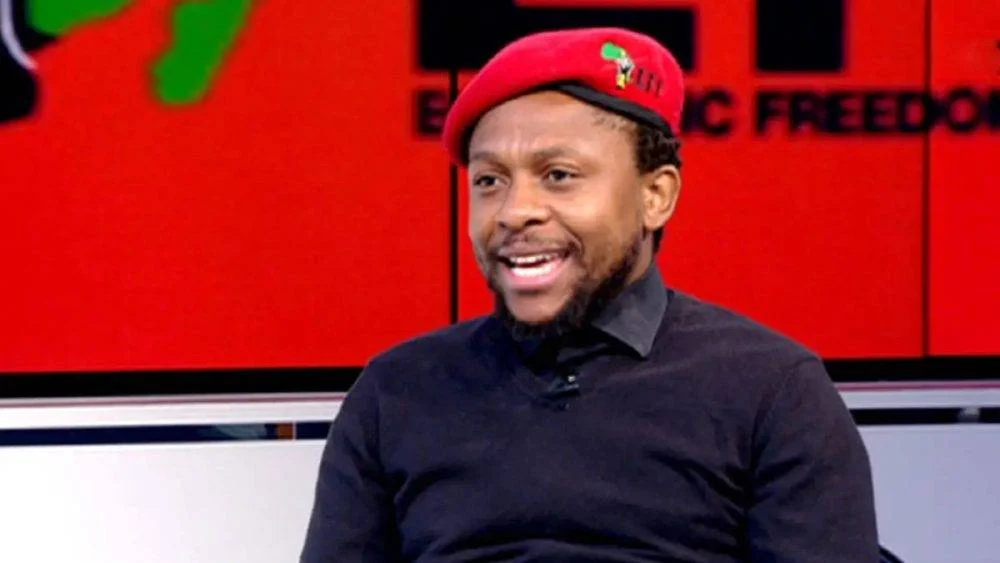
Following the confrontation, Mbuyiseni Ndlozi reacted on social media, appearing to mock the situation by stating that “they are so helpless.” The remark was widely interpreted as political sarcasm directed at opponents involved in the committee exchange.
The Ad Hoc Committee is part of South Africa’s parliamentary oversight system, established to investigate matters of public governance, institutional accountability, and administrative conduct. Such committees operate under structured procedural rules that require participants to remain present until formally excused.
Walkouts during parliamentary hearings are not unusual in politically sensitive inquiries, especially when witnesses feel questioning has become confrontational. However, legislative protocols generally emphasise respect for committee authority and orderly participation.
O’Sullivan has been associated with several high-profile investigative efforts relating to corruption allegations and state institutional accountability. His appearances before parliamentary structures have often attracted strong political reactions, reflecting broader tensions between investigative actors and political parties.
The Economic Freedom Fighters member Ndlozi’s comment added a new layer of political interpretation to the incident, with supporters viewing it as criticism of opposing political behaviour, while critics argued it may have further escalated tensions.
Committee observers noted that maintaining decorum is essential for effective oversight work, particularly when testimony involves security governance, policing administration, and institutional leadership matters.
Parliamentary authorities are expected to review the proceedings to ensure compliance with procedural standards as the inquiry continues. Further testimony sessions are anticipated as the committee advances its investigation into governance and institutional accountability issues within relevant state structures.


