

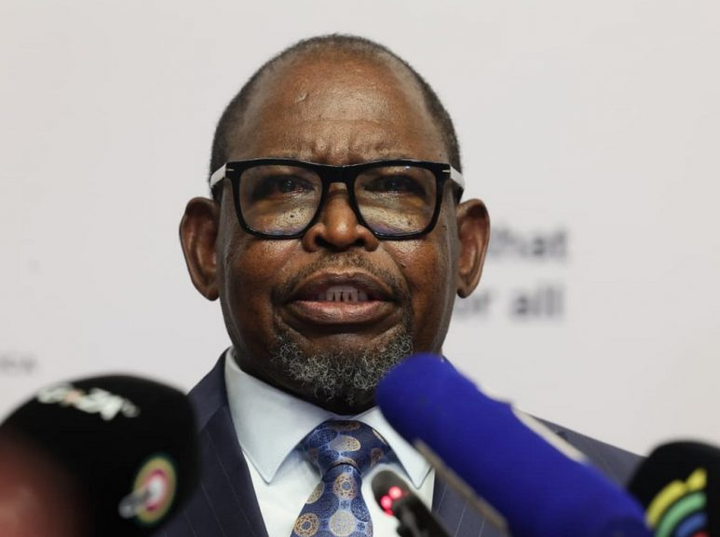
Finance Minister Enoch Godongwana has sparked debate after publicly questioning the value of the National Student Financial Aid Scheme (NSFAS) as an institution, arguing that its administrative costs may outweigh its benefits.
Speaking during a post-Budget engagement, Godongwana said he does not see the value of maintaining NSFAS in its current institutional form, particularly when compared to a direct bursary scheme model.
According to the Minister, approximately R700 million is spent annually on administration within NSFAS — funds he believes could instead be redirected to cover tuition fees for around 9,000 students. “That money could pay for thousands of students,” Godongwana said, emphasising the need for efficiency in public spending.
The remarks have drawn sharp reactions from various quarters, including student organisations and higher education stakeholders. NSFAS plays a critical role in providing financial aid to qualifying students from poor and working-class backgrounds, enabling access to universities and TVET colleges across the country.
Godongwana suggested that a streamlined bursary system might deliver funding more directly to students, reducing bureaucracy and overhead costs. “All people who have sentimental ties with NSFAS are attacking me,” he added, defending his position as a fiscal and policy consideration rather than a political attack.
Critics argue that dismantling or restructuring NSFAS without a clear alternative could disrupt funding for hundreds of thousands of beneficiaries. They caution that administrative systems, while costly, are necessary to manage applications, disbursements and compliance.
Higher education analysts say the Minister’s comments could signal potential reforms to the student funding model, especially as government grapples with budget constraints and competing spending priorities.
The Department of Higher Education has yet to formally respond to the Minister’s remarks.
As discussions continue, the future structure of student financial aid in South Africa may become a key policy issue in the months ahead.


