

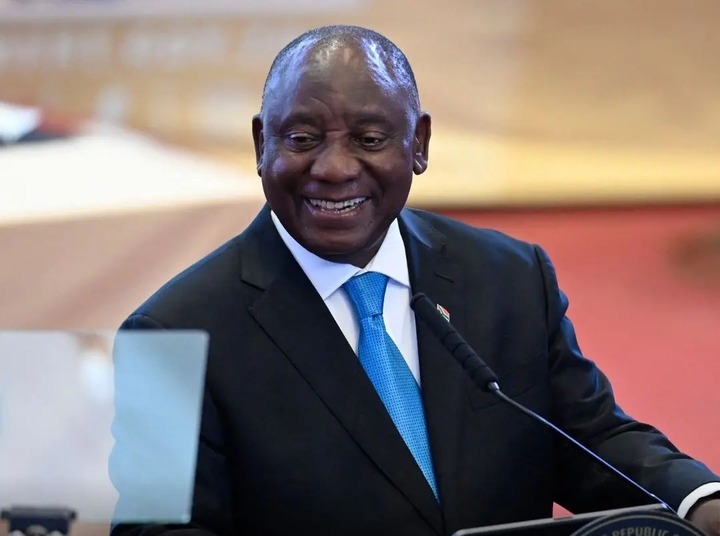
A significant shake-up in South Africa’s energy sector has raised eyebrows and fueled speculation about political tensions within the government. President Cyril Ramaphosa has reportedly removed Kgosientso Ramokgopa from his direct oversight of Eskom, a move that many are interpreting as evidence of a possible rift between the two leaders.
Eskom has long been at the center of South Africa’s energy challenges, facing issues ranging from rolling blackouts to financial instability. Minister Ramokgopa had been closely involved in managing the utility’s affairs, making decisions aimed at stabilizing the power grid and addressing operational inefficiencies. The president’s decision to strip him of control marks a clear shift in leadership approach, raising questions about what prompted such a sudden change.
Observers suggest that the move could signal differences in strategy or disagreements over how Eskom should be managed during this critical period. Some analysts see it as a political statement, hinting at tensions within the cabinet that could have wider implications for governance and policy implementation. Others focus on the practical side, noting that Eskom’s ongoing struggles may have necessitated new oversight to accelerate reforms and improve accountability.
For the public, the change is significant because it touches directly on the country’s energy security and the reliability of electricity supply. Many South Africans, already affected by power cuts and high electricity costs, are watching closely to see how this decision will impact Eskom’s operations and whether it will lead to tangible improvements.
Ultimately, while the exact reasons for the president’s decision remain unclear, the development highlights the complex interplay between politics, leadership, and critical national infrastructure. The reshuffle could reshape how Eskom is managed and may set the tone for future government intervention in key state-owned enterprises.


