

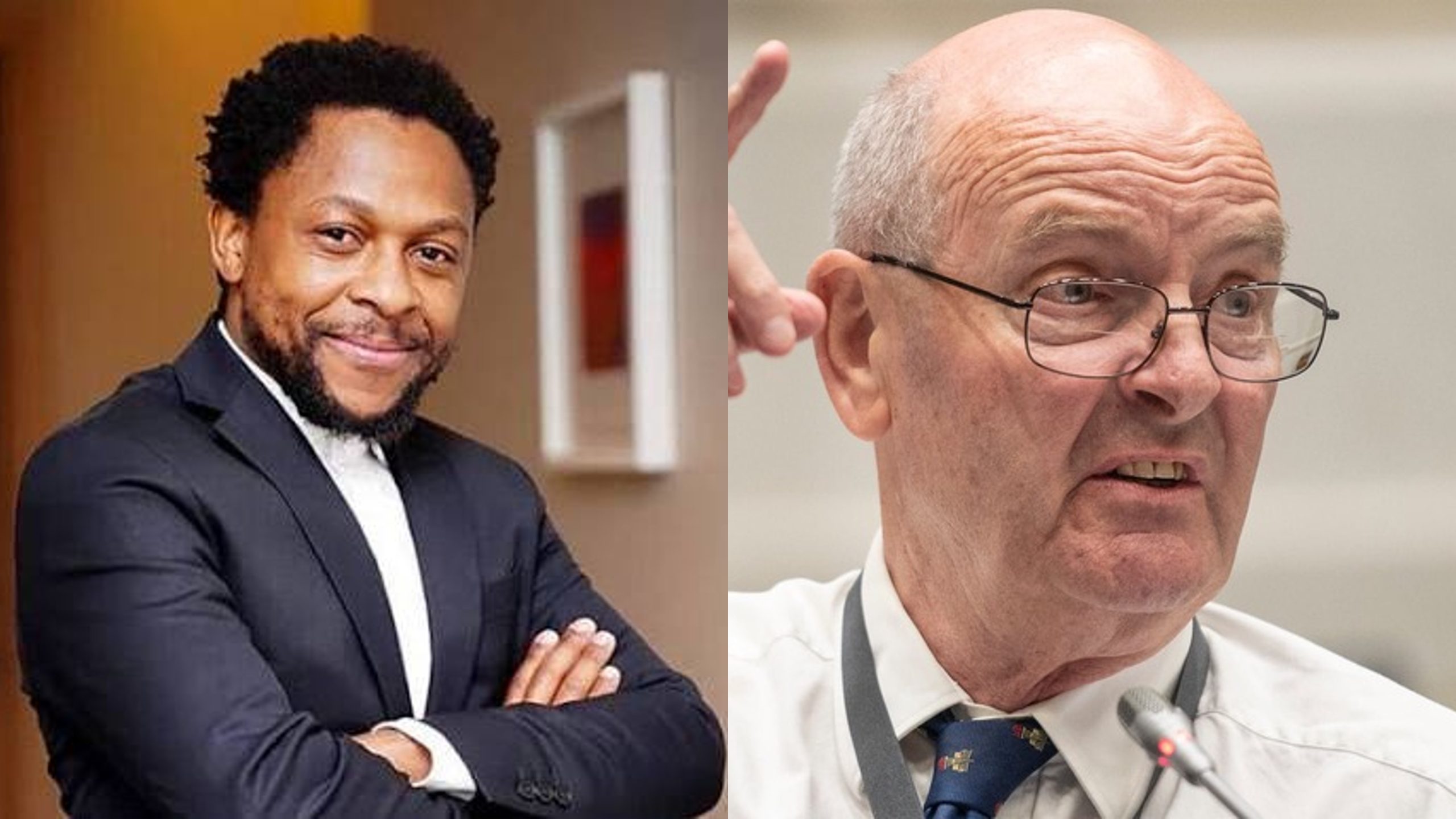
A tense on-air exchange unfolded during a live radio interview when forensic investigator and anti-corruption activist Paul O’Sullivan clashed with Power FM host Mbuyiseni Ndlozi, resulting in a heated confrontation that has since sparked widespread public debate.
The interview, which was expected to focus on governance and accountability issues, quickly escalated into a personal and professional dispute between the two. O’Sullivan, known for his outspoken views and involvement in high-profile corruption investigations, became visibly frustrated during questioning from Ndlozi, leading to a sharp exchange of words.
During the broadcast, O’Sullivan criticised Ndlozi’s interviewing style, accusing the host of lacking the necessary skills required for professional radio broadcasting. He went further to claim that Ndlozi’s conduct during the interview was detrimental to the credibility of the station.

“You need proper radio training,” O’Sullivan said during the heated segment. “You are damaging the reputation of this station.” His remarks were delivered in a stern tone as the interview grew increasingly confrontational.
The situation intensified when O’Sullivan insisted that he should never be invited back for another interview with Ndlozi, signalling a complete breakdown in communication between the guest and host. The comment appeared to bring the discussion to an abrupt and tense conclusion, with both parties struggling to maintain the structured format typically expected during live radio programming.
Listeners quickly took to social media platforms to express mixed reactions to the confrontation. Some defended Ndlozi, praising him for asking direct and challenging questions, which they argued are essential in holding public figures accountable. Others sided with O’Sullivan, suggesting that the interview lacked professionalism and decorum.
Power FM has not issued an official statement regarding the incident at the time of publication. However, the exchange has reignited discussions about the boundaries between robust journalism and maintaining respectful engagement between hosts and their guests.
Media analysts note that live radio interviews often carry the risk of unpredictable outcomes, particularly when dealing with outspoken personalities and sensitive subject matter. They emphasise the importance of maintaining composure and mutual respect to ensure productive dialogue and uphold broadcasting standards.
The confrontation has further highlighted the challenges faced by talk radio platforms in balancing hard-hitting discussions with professional broadcasting etiquette. Whether the incident will have lasting implications for either party or the station remains to be seen.
As the debate continues online and among media professionals, the clash serves as a reminder of the volatile nature of live broadcasting and the critical role of communication skills in navigating contentious discussions.


