
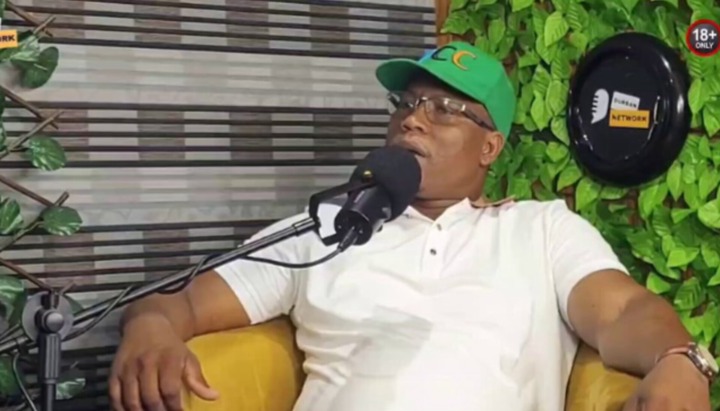
In a statement that has stirred debate across South Africa’s political landscape, BF Dlamini, a prominent spokesperson for the uMkhonto weSizwe Party (MK Party), reiterated calls for the province of KwaZulu‑Natal to become fully independent and be renamed “KwaZulu”. Posting on social media, Dlamini said: “As Zulu people, we have consistently stated that we want KwaZulu‑Natal to be fully independent and renamed KwaZulu, so we can effectively control and grow our local economy.”
The remarks come amid ongoing discussions about provincial identity and autonomy in South Africa, particularly in regions with strong cultural and ethnic identities. MK Party, a political organisation founded in late 2023 by former President Jacob Zuma, has rapidly gained support in KwaZulu‑Natal, especially during the 2024 provincial election, where it secured a plurality of votes, although it did not govern due to coalition arrangements in the legislature.
Dlamini’s comments resonate with broader cultural and political conversations around renaming the province. Recently, AmaZulu King Misuzulu kaZwelithini launched a campaign to drop “Natal” from the province’s name, arguing it reflects colonial heritage and that “KwaZulu” better honours the Zulu kingdom’s historical and cultural significance. While the Inkatha Freedom Party (IFP) has signalled support for the king’s stance, the ruling African National Congress (ANC) has expressed reservations, citing constitutional considerations and concerns about social cohesion.
“As Zulu people, we have consistently stated that we want KwaZulu-Natal to be fully independent and renamed KwaZulu, so we can effectively control and grow our local economy.” -BF Dlamini of MK Party pic.twitter.com/MVWtx6sBhM
— The Instigator (@Am_Blujay) February 14, 2026
MK Party’s position highlights the party’s appeal to cultural nationalism and economic autonomy among many voters in the region. Advocates argue that greater control over local resources and policy could boost development in a province that hosts South Africa’s major ports and significant economic activity. Critics, however, warn that independence aspirations could challenge national unity and legal frameworks established under the South African constitution.
The issue of provincial identity and autonomy is not new in South African politics. Other regional movements, such as calls in the past for Western Cape autonomy, reflect longstanding tensions about how best to balance cultural identity, economic development, and national governance.
Political analysts say that for any serious shift toward independence or renaming, constitutional processes, public consultations, and possibly referendums would be required — a complex and contested path featuring legal, political, and social debates.
As MK Party continues to assert its vision for KwaZulu and broader national policy, politicians across the spectrum are watching closely, aware that identity politics in KwaZulu‑Natal could influence wider trends in South Africa’s evolving democratic landscape.


